 EN
EN
Unmatched Dimensional Stability in Sauna Conditions
How Thermal Modification Reduces Swelling and Warping by Up to 70%
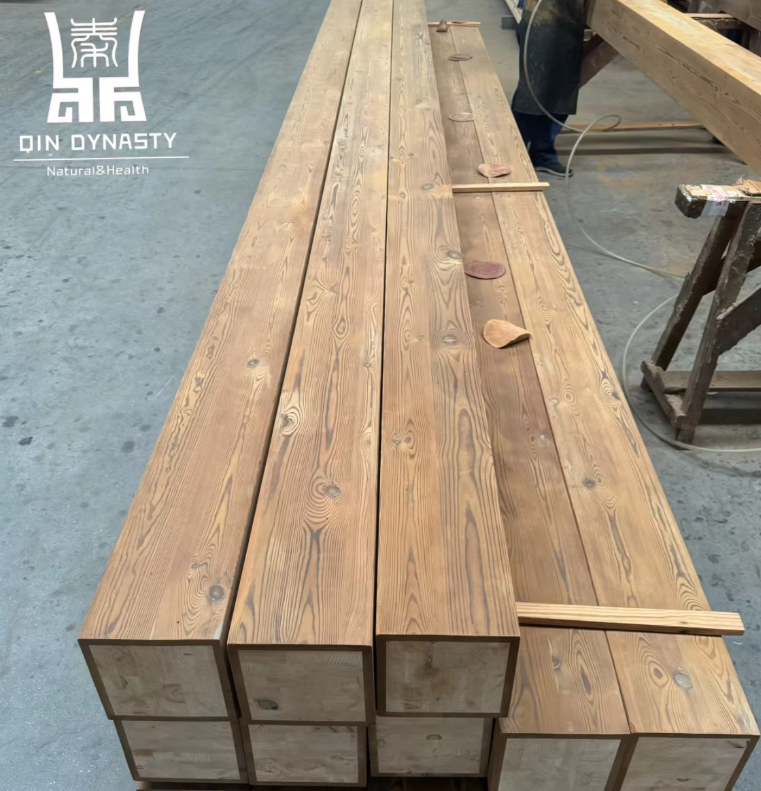
When pine wood goes through thermal modification, its internal structure gets changed forever, which means it absorbs much less moisture and doesn't expand or contract as much anymore. The process involves heating the wood to around 180 to 230 degrees Celsius while keeping it in a special nitrogen environment. This heat breaks down something called hemicellulose, which is basically what makes wood grab onto water molecules. After this happens, the wood can take in about half as much water as regular pine, so when it comes to swelling and bending, we're talking about roughly 70% improvement over standard pine products. For places like saunas where temperatures jump from comfortable room temps all the way up to steamy 90 degrees Celsius with sudden changes in humidity levels, this kind of stability matters a lot. Boards made from thermally treated pine stay spaced properly even after repeated heating and cooling cycles, which stops problems like warping boards, cracked surfaces, and those dangerous deformations that nobody wants to deal with.
Lower Equilibrium Moisture Content (EMC) Enhances Consistent Performance at 90°C/95% RH
When exposed to typical sauna temperatures around 90 degrees Celsius with humidity levels near 95%, thermally treated pine reaches remarkably low moisture levels between 4% and 6%. That's about 40% less than regular untreated wood would hold. The reason this matters so much is because of how stable the wood remains dimensionally. The modified cell walls actually repel water vapor pretty well, which helps maintain consistent board thickness when subjected to steam, keeps joints from loosening through all those heating and cooling cycles, and ensures surfaces stay flat over time. Practically speaking, this means sauna doors continue to form tight seals, benches don't sag out of alignment, and wall panels won't warp even after going through hundreds of temperature changes.
Natural Biological Resistance: No Chemicals, No Compromise
Elimination of Resin Exudation for Cleaner, Safer, and More Aesthetic Sauna Interiors
Pine wood treated with heat solves the annoying issue of sticky resin leaking out, something that plagues regular softwoods in saunas. When exposed to temperatures around 180 to 230 degrees Celsius during processing, the stuff that makes sap happen gets broken down completely. This means no more gooey mess showing up on those expensive looking benches, along the walls, or even dripping from the ceiling after a session. What we get instead is a clean interior surface free from splinters too, so nobody ends up with stained skin or ruined clothes post sauna time. The best part? Since there are no chemicals added during preservation, people breathe easier knowing their lungs aren't getting hit with all sorts of volatile organic compounds. Plus, these saunas keep looking good year after year despite all that steam and humidity bouncing around inside them.
Enhanced Rot and Fungal Resistance (EN 350 Class 2–3) via Hemicellulose Breakdown
When thermal treatment breaks down hemicellulose, which is basically what decay fungi feed on, pine wood gets transformed into something much more durable for sauna use. This process gives it a rating between classes 2 and 3 according to EN 350 standards. What makes this special is that there are no chemicals involved at all. The modified wood can handle constant temperatures around 90 degrees Celsius with humidity levels near 95%, conditions where regular untreated pine would start showing signs of failure after just 2 to 5 years. Another benefit comes from reduced EMC levels, which stands for equilibrium moisture content. Lower EMC means less moisture available for those pesky fungi to grow. Tests done by third parties show these treated woods last well over 15 years in actual commercial saunas, and best part? No need for harmful coatings or any kind of maintenance throughout their lifespan.
Extended Service Life Under Real-World Sauna Cycling Stress
Pine wood that's been heat treated lasts much longer when put through the constant temperature changes of actual sauna conditions. The wood absorbs about half as much moisture compared to regular pine when exposed to steam (around 95% humidity), so it doesn't shrink as much when cooling down later. Regular pine tends to crack, split, and warp within just three to five years of use, but these heat-treated versions stay strong and stable for over fifteen years in most cases. When manufacturers subject the wood to nitrogen atmosphere during processing, something interesting happens at the cellular level. The hemicellulose breaks down, creating a kind of protective layer inside the wood fibers. This makes the material resistant to the stress from expanding and contracting repeatedly over time, meaning people can enjoy their saunas for many years without worrying about replacing warped panels or dealing with maintenance issues.
The Precision Thermal Modification Process Behind Sauna-Optimized Pine
Nitrogen-Atmosphere Treatment (180–230°C) and Selective Polysaccharide Modification
Pine wood used for saunas gets its special properties when heated in specially designed chambers filled with nitrogen instead of oxygen. These chambers allow for careful temperature management around 180 to 230 degrees Celsius. That's hot enough to break down certain parts of the wood called hemicellulose but not so hot that it damages the main structural components like cellulose. During this heating process, moisture gets removed from within the wood cells. At the same time, chemical changes happen inside that make the wood absorb much less humidity over time, somewhere between 40% and 60% less actually. What makes this method stand out is that no chemicals are added during processing. The resulting wood remains completely natural and stable even when exposed to the intense heat and steam conditions typical in saunas.
 REQUEST AN ESTIMATE
 Products