 EN
EN

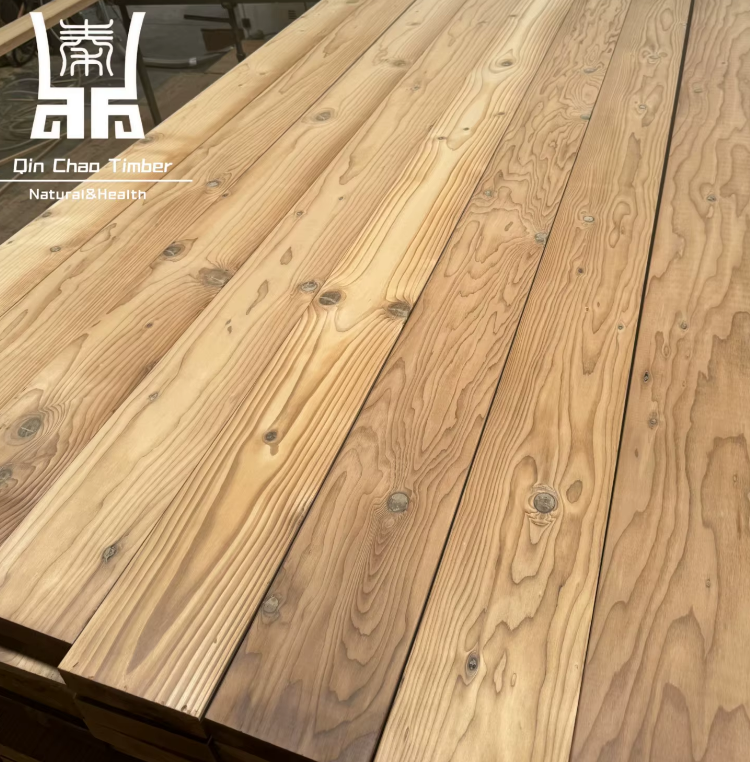
Structural Requirements: Minimum Thermowood Thickness for Outdoor Decks
Residential vs. Commercial Load Standards and Corresponding Thermowood Thickness Recommendations
The building codes actually set different rules for what makes a good residential versus commercial deck. For homes, most decks need to handle around 40 to 60 pounds per square foot. That means we can often get away with using 21mm Thermowood boards as long as the supporting joists aren't spaced more than 400mm apart. Things change quite a bit when we look at commercial spaces though. These areas usually require decks that can take over 100 pounds per square foot because people walk all over them or heavy furniture gets placed there. To meet those demands, the decking needs to be at least 27mm thick so it doesn't sag or bend too much over time. The Thermowood product line has this Class 2 durability rating according to GBD standards from 2023, which basically means it works well for both home and business projects if we just make sure the thickness matches what the space will actually be used for.
How Thermowood’s Enhanced Dimensional Stability Allows Thinner Profiles Without Compromising Rigidity
When wood goes through thermal modification, it loses most of its ability to absorb moisture from the air. This treatment cuts down on swelling caused by damp conditions by around 70% when compared with regular untreated softwoods. The result? A 21mm board made with Thermowood technology holds up just as well structurally as a standard 28mm softwood deck panel, even when humidity levels change throughout the day. The reason lies in how heat alters the cell structure of the wood itself. These treated boards maintain their strength and shape despite changing weather conditions, which makes them particularly useful for creating curved decks or radius sections where both flexibility during installation and long term stability are needed at the same time.
Environmental Performance: How Thermowood Thickness Affects Long-Term Durability Outdoors
Field Evidence: 15-Year Comparative Data on 21mm vs. 27mm Thermowood in High-Moisture Climates
Looking at field data collected over fifteen years from those wet coastal spots in Scandinavia where it rains more than 1200mm annually and there are constant freeze thaw cycles shows something interesting. The 27mm Thermowood samples kept around 92% of their original strength after all that time, whereas the thinner 21mm ones held onto about 84%. That 8% gap makes sense when we think about how thicker boards naturally resist water damage better as they age. Both sizes actually beat the standard 15 year durability mark set for Class 2 thermally treated wood used outdoors. This means Thermowood stands up really well against harsh weather conditions, which explains why so many builders keep choosing it for decks and other exterior projects despite higher upfront costs.
UV Resistance and Surface Erosion — Why Thickness Alone Doesn’t Dictate Lifespan
UV degradation affects only the outer 0.5–2mm of the board surface, meaning 21mm and 27mm Thermowood exhibit identical color-fading and surface erosion rates after five years of full-sun exposure. Longevity hinges less on thickness and more on three key factors:
- Protective coatings: UV-inhibiting oils reduce surface erosion by up to 40% annually;
- Treatment consistency: Full-profile thermal modification prevents subsurface fungal ingress;
-
Installation orientation: Vertical surfaces weather 30% slower than horizontal ones due to reduced water retention and direct solar exposure.
Accelerated aging tests simulating 20 years of exposure confirm that proper maintenance—not plank thickness—is the dominant determinant of service life.
Design Integration: Joist Spacing, Fixing Systems, and Thermowood Thickness Compatibility
Matching Thermowood Thickness to Standard Joist Intervals (400mm vs. 600mm)
The distance between joists really determines what thickness of Thermowood can be used effectively. When installed at regular 400mm gaps, 21mm thick decking works well for most homes since it doesn't sag much even when people walk across it normally. But things change when we look at those bigger 600mm spans that architects love putting in contemporary spaces with large open areas or cantilevered sections. For these situations, going with at least 27mm thick boards becomes necessary if we want to keep everything from feeling bouncy or wobbly. Following these guidelines about matching wood thickness to joist spacing helps spread weight evenly across the floor system. This matters because otherwise the material could wear out faster than expected or worse still, create safety issues down the line.
Hidden Fastening Systems and Their Role in Enabling Reliable 21mm Thermowood Decking
Modern hidden clip systems really open up what's possible with 21mm Thermowood because they spread out the stress from fastening over the whole joist connection area. This helps prevent those annoying splits that happen when too much pressure builds up on thin sections of wood. Traditional nails and screws just don't cut it for this material since they tend to loosen up as seasons change or actually damage the board surface over time. As long as installers follow the specs provided by manufacturers, these clips keep everything aligned properly, hide all the hardware so nobody sees the fasteners, and generally make the deck look better while lasting longer. For anyone building serious residential decks where performance matters most, 21mm Thermowood becomes a solid option thanks to these innovative fastening solutions.
 REQUEST AN ESTIMATE
 Products