 EN
EN

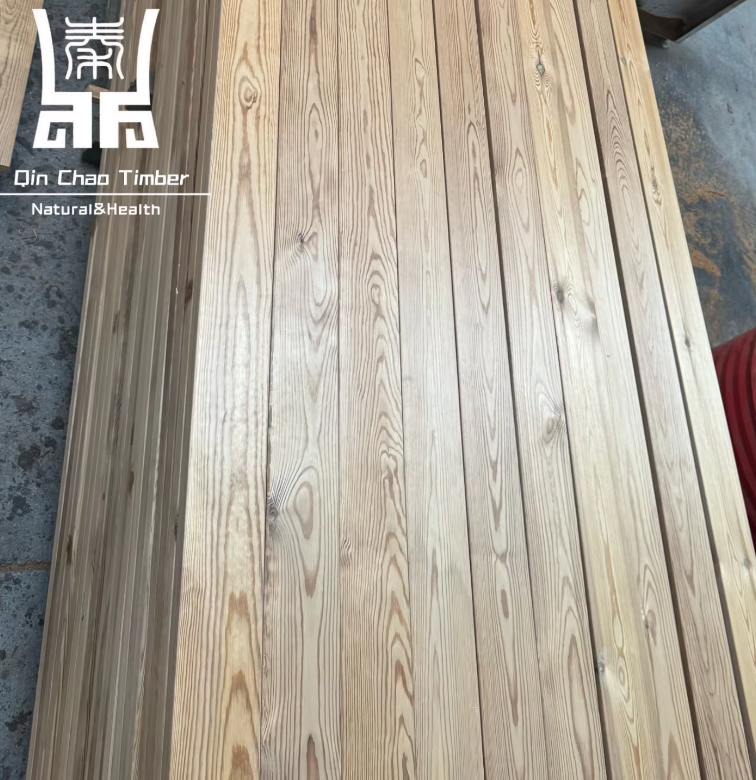
How to Choose Thermally Modified Wood for Exterior Cladding?
Understanding Thermally Modified Wood: Science, Benefits, and Core Advantages for Cladding
The thermal modification process: how controlled heat alters wood chemistry without chemicals
When wood undergoes controlled thermal treatment between around 350 to 430 degrees Fahrenheit (roughly 180 to 220 Celsius) inside special chambers with limited oxygen, something remarkable happens at the cellular level. The process breaks down hemicellulose, which is basically what fungi and other rot-causing organisms feed on. At the same time, it cuts back on those moisture-attracting hydroxyl groups by somewhere between half and three quarters. Fewer places for water to stick means the wood's moisture content stabilizes well below 10 percent, so it doesn't react quite the same way to humidity changes anymore. Meanwhile, the lignin component starts to caramelize, giving the wood those beautiful amber or chocolate tones we often see. This creates natural protection against decay without needing any artificial chemicals. What makes this technique so valuable is that it gives ordinary woods from temperate regions similar durability properties as expensive tropical hardwoods, all while working with sustainably sourced materials.
Why thermally modified wood excels in durability, dimensional stability, and rot resistance for exterior use
When it comes to exterior cladding, thermally modified wood beats regular untreated wood in several ways. The wood's moisture content stays pretty stable around 4 to 6 percent, which means it swells less than 1% radially. This helps maintain those joints even when humidity levels fluctuate throughout the seasons. Another big plus is how the modified cellulose stands up against fungal attacks. Tests show this wood meets Class 2 durability standards according to EN 350, and we're talking about a service life that can last well beyond 25 years. That's actually about twice as long as what most softwoods manage. What really makes this material special though is the carbonization process in the cell walls. This creates natural barriers against moisture penetration and removes the food source that rot organisms need to survive. Labs have tested these woods extensively, finding improvements ranging from 200 to 400% better weather resistance compared to standard kiln dried options. These gains are particularly noticeable during harsh conditions like repeated freezing and thawing cycles or prolonged periods of high humidity.
Selecting the Right Species and Grade of Thermally Modified Wood for Cladding
Comparing ash, oak, hemlock, and poplar: density, decay resistance, and suitability for vertical cladding
The type of wood chosen has a major impact on how long the cladding will last, whether fasteners stay put, and how it handles different weather conditions. Take thermally modified ash for instance. It packs a lot of density right around 700 kg per cubic meter and stands up really well to moisture, which makes it great for places where humidity is high or near the coast. Oak is another solid option because it naturally resists rot better than most and has that beautiful grain pattern everyone loves. But oak does move a bit during seasonal changes so installers need to be careful with their work. Hemlock strikes a good balance between cost and stability, making it popular among many contractors. Poplar on the other hand isn't as dense at about 450 kg per cubic meter, so it works best in areas protected from harsh weather impacts. These differences in density can actually change how much weight the system can handle against wind forces and also affects how securely screws hold in place when installed vertically. So picking the right wood isn't just about looks anymore it matters structurally too.
Decoding grade standards (e.g., Thermo D) and profile compatibility—shiplap vs. tongue-and-groove for weather performance
Thermo D-grade wood undergoes the most intensive thermal modification cycle, achieving Class 1 durability (EN 350)—a critical benchmark for exposed exterior cladding. Profile selection governs moisture management and long-term weathertightness:
- Shiplap: Relies on overlapping edges to shed water efficiently but requires 15–20% ventilation gaps behind the cladding to prevent trapped moisture buildup
- Tongue-and-groove: Forms tighter, interlocking joints with superior resistance to wind-driven rain—particularly advantageous in freeze-thaw zones where tight seals minimize ice penetration risk
Always verify independent certification such as ISO 14001 when specifying grades, ensuring consistent process control and environmental accountability.
Climate-Specific Performance: Matching Thermally Modified Wood to Your Environment
Humid, coastal, and freeze-thaw conditions: how moisture absorption and swelling behavior differ from untreated wood
Wood that has been thermally modified stands up much better to harsh weather conditions when used as cladding material. Regular wood in damp areas tends to soak up around 15 to 20 percent moisture content which leads to problems like swelling, warping, and paint peeling off. When wood goes through thermal treatment, it becomes less prone to absorbing water because certain chemical components break down during heating. This means the wood only takes in about 5 to 8 percent moisture instead, and it expands or contracts roughly half as much as regular wood would. Things get even tougher near coastlines where salty air speeds up rotting processes. But thermally treated wood handles this situation better since its cell structure makes it harder for fungi to take hold. Even though it stays constantly wet in such environments, the wood maintains its strength and shape over time without falling apart.
The real problem comes from those freeze thaw cycles. When water gets into regular wood and freezes, it actually expands about nine percent, which causes cracks inside the wood itself. The way thermally modified wood works is pretty clever though. Its cells get rearranged during processing, creating something like a water repelling shield that stops around forty percent less water from getting in. What this means practically is that the wood doesn't crack as much when it goes through those repeated expansions and contractions. Even after going through over a hundred freeze thaw cycles in a year, the surface stays intact. Something else worth noting is how the wood maintains very low moisture levels no matter what kind of weather conditions it faces. This makes it perform reliably over time while normal woods tend to break down much sooner than expected.
Aesthetics, Aging, and Maintenance: Managing Color, Texture, and Long-Term Appearance
Natural silvering, UV response, and strategies to retain original tone or accelerate patina intentionally
When thermally treated wood gets hit by sunlight and weather over time, it tends to develop that nice even silvery gray look we all know and love. This happens because of chemical changes in the wood's makeup after heat treatment stabilizes both the cellulose and lignin components. The good news? Unlike regular untreated wood, this natural aging process doesn't weaken the wood or cause it to warp and crack. If maintaining specific colors matters for your project, say those rich browns or dramatic blackened effects, then applying UV protective coatings once a year makes sense. These special finishes work their way into the wood grain to protect against fading without creating a sealed barrier. Want to speed things up a bit and get that aged appearance faster? There are definitely ways to do that too, though I'll save those details for another conversation.
- Controlled water misting to promote surface oxidation
- Strategic panel orientation toward maximum sun exposure
- Light brushing to open grain texture and increase UV interaction
These methods leverage the material’s inherent stability, allowing aesthetic evolution to align precisely with design intent—while maintaining minimal maintenance requirements over decades.
 REQUEST AN ESTIMATE
 Products