 EN
EN
Superior Weather Resistance and Long-Term Durability of Shou Sugi Ban
How the Carbonized Surface Blocks Moisture, UV Radiation, and Thermal Expansion
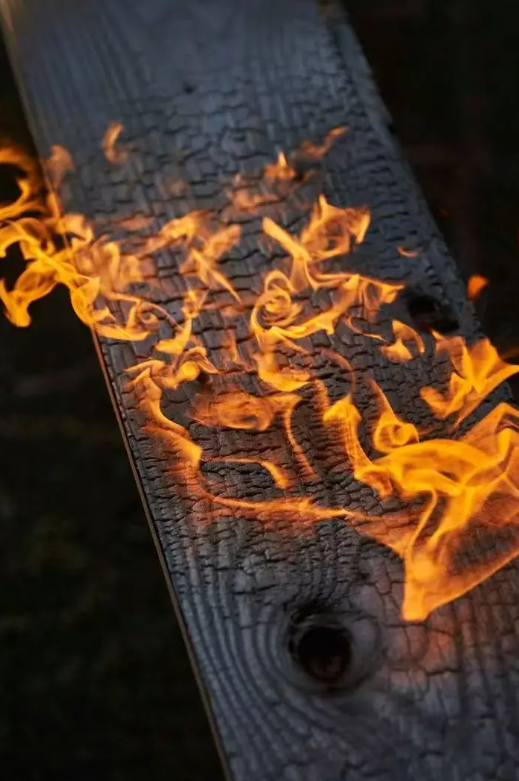
When wood undergoes the traditional Japanese shou sugi ban charring method, it develops a carbon layer that acts as a tough shield against all sorts of weather problems. This blackened surface actually seals off the wood pores, cutting down on moisture pickup by around half compared to regular untreated wood. That means no more places for water to hide and cause rot. Another great thing is how this charred surface soaks up UV rays instead of letting them damage the wood underneath, keeping the surface looking good for much longer. What makes this treatment really special though is how it handles temperature changes. Unlike normal siding materials that crack when heated or cooled, the charred layer moves with the wood as temperatures rise and fall. Tests have shown this treated wood can survive hundreds of freeze-thaw cycles without breaking down, which explains why it works so well in harsh climates where other materials would fail.
Proven 80+ Year Lifespan in Harsh Coastal and Humid Environments
Shou sugi ban lasts way longer than most other cladding materials, particularly around coastal areas where salt air eats away at things and in those humid subtropical climates. We've seen actual examples of these installations standing strong even after being exposed to Category 5 hurricane zones and places with humidity levels between 70 and 100 percent for more than eighty years now. The surface gets carbonized during processing, which makes it naturally resistant to salt damage and those annoying pits that form on metal surfaces. Traditional wood siding usually needs replacing somewhere between 15 to 25 years down the road. But with shou sugi ban, the thermal treatment process boosts lignin density by about three times what regular wood has, making it much harder for rot to take hold. Take Okinawa and parts of the Pacific Northwest as good examples. These areas have been putting shou sugi ban through its paces for decades without needing any chemicals applied or seeing any real structural issues develop.
Inherent Fire, Rot, and Insect Resistance Without Chemical Additives
ASTM E84 Class A Fire Rating Achieved Through Natural Charring
Shou sugi ban gets that top ASTM E84 Class A fire rating, which is basically the gold standard when it comes to how flames spread and smoke develops. This happens because of the traditional charring method used in its preparation. What we end up with is this really dense carbon layer on the surface. And guess what? That layer works great as thermal insulation. It actually slows down combustion processes and makes things less likely to catch fire, all without needing those synthetic fire retardant chemicals. When they test these materials under controlled conditions, the flame spread numbers stay well under 25. Compare that to regular untreated wood which needs all sorts of chemical treatments just to pass minimum safety requirements. The fact that shou sugi ban offers this kind of natural fire protection means buildings can be safer places overall. Plus, it fits right into modern design trends where people care about both their health and sustainability factors.
Lignin Carbonization Eliminates Food Sources for Fungi and Insects
When wood goes through carbonization, it changes lignin—the stuff that feeds rot-causing organisms—into something like dead carbon. This basically takes away the dinner table for fungi, mold, and bugs that normally feast on wood. What's left after burning is pretty much unwelcoming territory for pests. Termites just can't break it down, and those pesky mold spores have nowhere to grab hold since there's nothing organic for them to latch onto. We've seen this work wonders in places where moisture is always an issue. Some tests done over many years in tropical regions showed almost no damage happening to carbonized wood, while regular untreated wood would be falling apart within months. The fact that it stands up so well means structures last longer without needing all those harsh chemical treatments. That's good news for anyone concerned about both building longevity and keeping harmful chemicals out of the environment.
True Low-Maintenance Performance: Lifecycle Savings Over Traditional Siding
No Sealants, Stains, or Repainting Required — Verified by 20-Year Field Studies
The carbonized surface of Shou sugi ban acts like its own protective layer, so there's absolutely no need for sealants, stains, or painting during its entire lifespan. Research conducted over many years in different weather conditions shows that these boards stay looking good for well over two decades without needing any touch ups. Traditional wood siding tells a different story though, often requiring fresh coats every few years at best. What makes Shou sugi ban stand out is how it naturally fights off moisture damage, sun fading, mold growth, and insect infestations. This natural resistance translates into big savings long term. Studies indicate lifecycle costs drop somewhere between 60% to maybe even 80% compared to regular alternatives. Property managers save money on buying new supplies, paying workers, and dealing with those harsh chemical products that release VOCs into the air. The result? Less cash spent and a smaller carbon footprint from all those constant refinishing jobs that most other woods require.
Architectural Versatility and Timeless Aesthetic of Shou Sugi Ban
Adaptability Across Styles: From Japanese Tradition to Modern Minimalist Exteriors
Shou sugi ban connects traditional Japanese building techniques with today's design trends. Originally used to protect houses against typhoons and damp weather in Japan, this material has become popular in modern architecture because of its deep, matte finish and interesting wood grain patterns. The material works well in country-style environments where its warm tones stand out, while in city buildings it creates striking contrast when paired with materials such as glass, metal, or concrete. Many architects are specifying shou sugi ban these days not just on outside walls but also inside spaces for things like accent walls, ceiling treatments, and bespoke furniture pieces. They appreciate how versatile it is both dimensionally and texturally. What makes this material so appealing is that it brings presence to a space without overwhelming it visually. That's why we see it increasingly chosen by designers working on green building projects that want something beautiful yet practical that will last for years.
Frequently Asked Questions
What is Shou Sugi Ban?
Shou Sugi Ban is a traditional Japanese method of wood preservation where wood is burnt to create a carbonized layer that provides natural protection against the elements.
How long does Shou Sugi Ban last?
Shou Sugi Ban can last over 80 years, especially in harsh coastal and humid environments, making it a long-lasting alternative to traditional wood siding.
What are the benefits of using Shou Sugi Ban?
Shou Sugi Ban offers superior weather resistance, UV protection, long-term durability, fire resistance, and insect resistance without chemical additives. It also reduces lifecycle maintenance costs.
Does Shou Sugi Ban require maintenance?
No, Shou Sugi Ban requires no sealants, stains, or repainting. It's a low-maintenance material that maintains its aesthetic appeal over time.
Table of Contents
- Superior Weather Resistance and Long-Term Durability of Shou Sugi Ban
- Inherent Fire, Rot, and Insect Resistance Without Chemical Additives
- True Low-Maintenance Performance: Lifecycle Savings Over Traditional Siding
- Architectural Versatility and Timeless Aesthetic of Shou Sugi Ban
- Frequently Asked Questions
 REQUEST AN ESTIMATE
 Products