 EN
EN
Why Thermally Modified Ash Excels in Durability and Stability
Thermal Modification Process: Enhancing Natural Ash for Long-Term Performance
When making thermally modified ash, the wood goes through a process without chemicals. Basically, they heat it between around 180 to 230 degrees Celsius inside chambers where there's little or no oxygen. What happens during this heating? Well, the hemicellulose component gets broken down. And since hemicellulose is what makes wood absorb moisture, this means treated ash takes in about 45 percent less water compared to regular untreated ash. The big benefit here is that the wood stays stable in size. Warping, swelling, those annoying issues just don't happen as much when humidity changes with seasons. Plus, the heat removes nutrients that would otherwise feed rot-causing fungi and pests that drill into wood. So we get naturally resistant material without needing any harmful preservatives. This kind of treatment lets the wood last for many years outdoors, which is great because it combines lasting durability with being better for the environment too.
Proven Metrics: Class 1 Rot Resistance, 25+ Year Lifespan, and Janka Hardness Insights
Industry-validated performance metrics confirm thermally modified ash’s superiority in demanding applications:
- Class 1 Rot Resistance (per EN 350), the highest durability classification—on par with teak and other premium tropical hardwoods;
- 25+ year documented service life in exterior uses like decking and cladding when installed per best practices;
- Janka hardness of ~1,320 lbf, exceeding most softwoods and delivering strong resistance to dents and wear in high-traffic areas.
These outcomes stem from two core structural changes: reduced hygroscopicity prevents freeze-thaw damage and fungal colonization, while increased lignin concentration reinforces cell walls. Combined with minimal maintenance requirements, this makes thermally modified ash a cost-effective, long-term solution where performance and longevity are critical.
Selecting Thermally Modified Ash by Application and Climate
Exterior Use Cases: Decking, Cladding, Ground Contact, and Marine-Grade Suitability
Thermally modified ash really stands out for outdoor projects because it just doesn't break down over time and stays dimensionally stable too. The wood has this low moisture content around 6% or below which means decks made from it stay flat even when people walk all over them day after day, and they handle going from dry to wet conditions without warping. When used for cladding on buildings, the Class 1 rot resistance is a big plus since there's no need to worry about mold growing on those parts of the building that get lots of humidity or are in shadowed areas. For things that actually touch the ground like fence posts or garden borders, this wood lasts about three times longer than regular untreated ash according to standard tests for how long wood lasts outside. And interestingly enough, it works great near water too. Tests show that after being submerged in saltwater for extended periods, the wood only changes size by less than half a percent. What makes this material special compared to other options that have been chemically treated is that it keeps performing reliably without any toxic chemicals leaching out into the environment wherever it's installed.
Climate Matching: Managing Humidity, Freeze-Thaw Stress, and UV Degradation
When we tailor thermally modified ash wood to specific regional climates, it can last well beyond two decades. Take those humid coastal areas where monsoons are common. The thermal treatment actually reduces the wood's moisture content at equilibrium by around 40 to 50 percent, which stops it from swelling during heavy rains. Up north where freeze-thaw cycles happen all winter long, this wood's changed cell structure handles the stress pretty well, surviving temperatures as low as minus 30 degrees Fahrenheit without developing cracks. Sun exposure will gradually gray the surface after about five to seven years, but the structural strength stays completely intact throughout that time. Desert environments pose another challenge with their dry heat, yet the wood maintains stable dimensions so gaps between boards stay consistent. Even when humidity levels fluctuate by 15 percent, expansion remains under 2 percent. Getting the climate match right makes sure this material performs reliably no matter what kind of weather extremes come along.
Balancing Aesthetics, Workability, and Structural Realities
Color Development, Grain Character, and Surface Finishing Options for Thermally Modified Ash
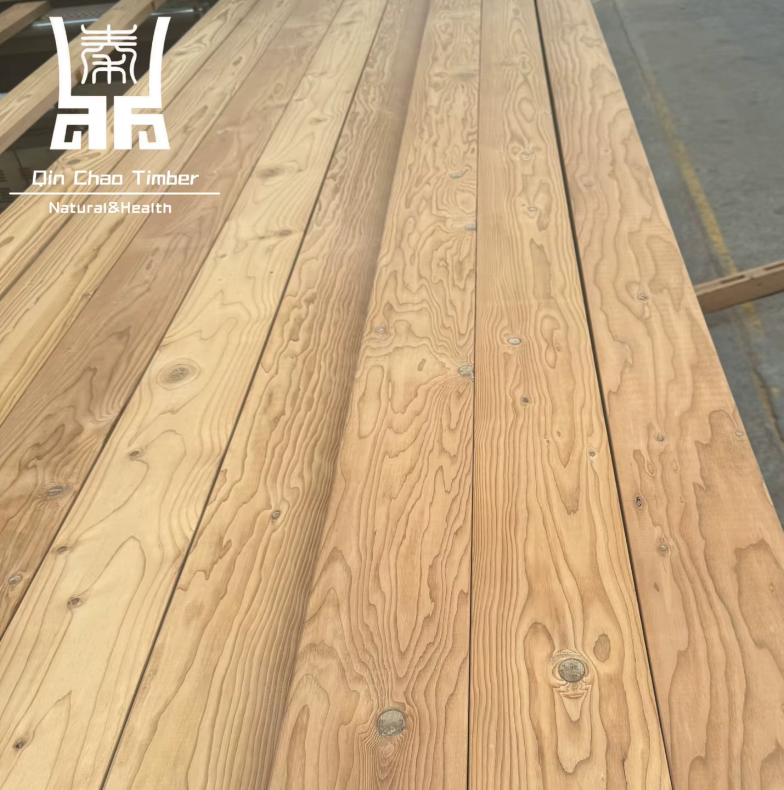
When ash wood goes through thermal modification, it turns into something pretty amazing - a deep, consistent chocolate brown color that just doesn't have those pesky pale streaks we see in regular untreated wood. What's really cool is how each batch comes out looking almost identical, which makes working with it so much easier for designers and builders. Speaking of durability, this treated wood actually holds up better against sun damage compared to most tropical hardwoods on the market today. The grain pattern stays visible and has that nice texture under your fingers, giving any space real character whether it's part of a sleek contemporary room or a cozy farmhouse kitchen. As for finishes, there are plenty of choices available depending on what look someone wants to achieve with their project.
- Oil-based penetrants, which deepen grain definition while supporting natural moisture exchange;
- Matte UV-inhibiting coatings, preserving tone without glossy or synthetic appearance;
- Unfinished installation, leveraging the wood's natural oxidation resistance for a low-intervention aesthetic.
Workability Considerations: Brittleness, Pre-Drilling Needs, and Fastener Compatibility
Thermally treated ash wood definitely packs more density and stays stable over time, but working with it can be pretty unforgiving when fabricating projects. The wood has a Janka hardness rating around 1,450 pounds per square inch, so pre-drilling holes before inserting any fasteners becomes absolutely essential, particularly at the ends of boards where splitting tends to happen. When putting together pieces, go for corrosion resistant options like ceramic coated screws or stainless steel varieties instead of regular steel hardware which might actually react badly with those tannins still lingering in the wood. And if someone wants to get really precise with their work:
- Router bits must be carbide-tipped, given the increased hardness;
- Sanding should progress gradually from 80- to 120-grit to avoid surface tearing;
- Adhesives require extended cure times, due to reduced porosity and slower moisture diffusion.
Sustainability Credentials and Low-Maintenance Advantages of Thermally Modified Ash
Thermally treated ash wood brings both green advantages and real world perks for builders and designers. Most of this material comes from responsibly grown ash trees across North America, often pulled from forest management projects or reclaimed from city streets after storms or maintenance work. This means we're not putting pressure on those rare tropical woods that take decades to mature. Shipping costs drop dramatically too since local sourcing cuts down transportation emissions somewhere between a third to almost two thirds when compared to bringing in exotic hardwoods from overseas. What makes this treatment method stand out? It's pretty clean actually - just high temps and steam do all the magic without needing any harsh chemicals, pesticides, or toxic metals in the mix. And if anyone wants proof about where their wood came from, there are plenty of independent certifications like the FSC label that track every step back to the original forest source.
Wood requires surprisingly little maintenance compared to other materials. As it ages outdoors, most varieties will develop that attractive silvery gray look without anyone needing to apply stain or sealant regularly. What makes this possible? The material simply doesn't absorb much moisture and stays stable even when temperatures fluctuate. We've seen examples where properly installed wood structures last well beyond four decades in areas shielded from direct weather exposure. When considering all these factors together long lasting nature, ability to withstand wear and tear, plus minimal upkeep requirements the overall value proposition becomes pretty compelling from both financial and environmental standpoints.
FAQ Section
What is thermally modified ash?
Thermally modified ash is wood that has been treated with heat in an oxygen-deprived environment to enhance its durability and stability without the use of chemicals.
Why is thermally modified ash suitable for outdoor use?
Its low moisture content and Class 1 rot resistance make thermally modified ash ideal for outdoor applications, offering excellent stability and resistance to environmental extremes.
How does thermally modified ash compare to untreated ash?
Thermally modified ash absorbs 45% less water than untreated ash, which prevents issues like warping and swelling in varying humidity levels. It also offers enhanced resistance to rot and pests.
What are the sustainability benefits of using thermally modified ash?
Thermally modified ash is sustainably sourced from North American ash trees and does not require toxic chemicals for treatment, reducing environmental impact and reliance on tropical hardwoods.
 REQUEST AN ESTIMATE
 Products