 EN
EN

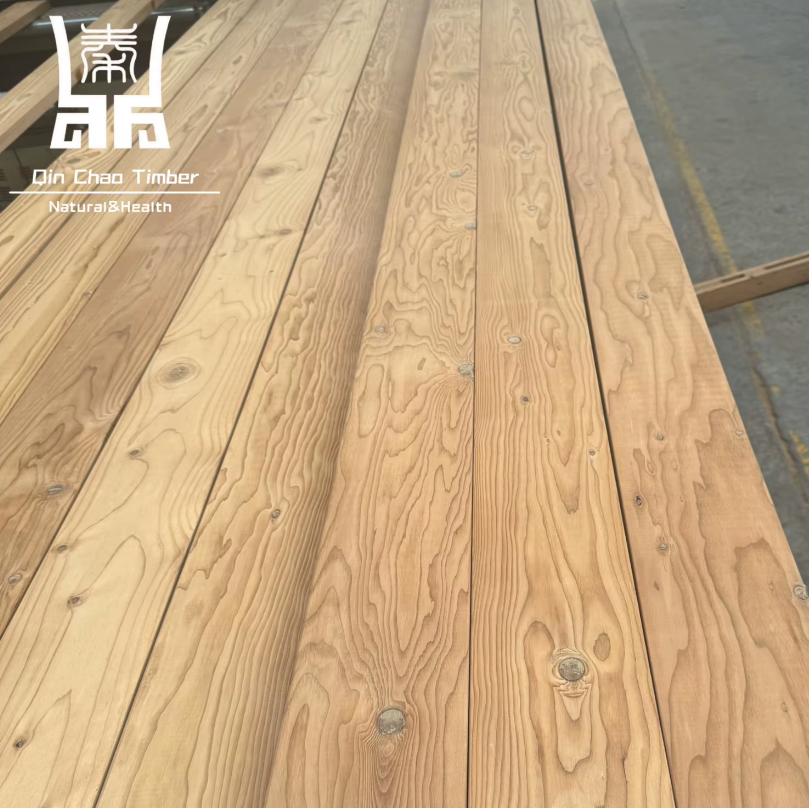
Why Thermally Modified Wood Is the Optimal Choice for Sauna Decoration
The Failure of Untreated Wood in High-Heat, High-Humidity Sauna Environments
Wood left untreated starts breaking down pretty fast in sauna environments. When exposed to constant heat between 80 and 100 degrees Celsius along with humidity levels reaching nearly 95%, the wood begins to warp, crack, and ultimately lose strength. The resins found naturally in softwood species tend to melt when heated, leaving behind sticky residues while also emitting unpleasant chemical smells that affect both air quality and overall comfort during sauna sessions. According to studies conducted by researchers at the USDA Forest Products Lab, untreated lumber can actually lose around 40% of its ability to support weight after just two years of being used continuously in saunas. That makes such installations unsafe over time and definitely not worth the money spent on them in the long run.
How Thermal Modification Solves Core Sauna Challenges: Stability, Resin Elimination, and Non-Toxicity
Thermal modification—controlled heating of wood to 200–230°C in oxygen-deprived chambers—permanently alters its cellular chemistry without chemicals or preservatives. This process delivers three foundational improvements uniquely suited to sauna performance:
- Dimensional Stability: Degradation of hemicellulose reduces hygroscopicity by 50–60%, limiting moisture absorption and enabling consistent performance across 500+ thermal cycles.
- Resin Elimination: High-temperature polymerization volatilizes and stabilizes sap compounds, preventing leakage—even at peak operating temperatures—ensuring smooth, splinter-free surfaces safe for bare-skin contact.
- Non-Toxic Safety: As a purely physical process, thermal modification emits zero VOCs and preserves the wood’s natural hypoallergenic properties, supporting clean-air environments essential for sensitive users.
These outcomes position thermally modified wood as the most scientifically validated, low-maintenance material for permanent sauna interiors.
Top Wood Species for Sauna Decoration: Performance and Aesthetics Compared
Thermo Aspen: The Gold Standard for Sauna Walls, Benches, and Ceilings
What makes Thermo Aspen really special is how little heat it conducts - just 0.12 W/mK to be exact. This means surfaces stay cooler even after being exposed to heat for long periods, which cuts down on the chance of burns. The material also gets rid of almost all resins, so there's no sticky residue or unpleasant smells when things get hot. Looking at it, people notice the consistent grain pattern and that nice light golden color that gives any space a calm, peaceful feel. Plus, it doesn't rot or grow mold even in damp environments, something that matters a lot in bathrooms and kitchens. Best part? It passes those tough indoor air quality tests right out of the box, no need for extra coatings or treatments whatsoever.
Thermo Spruce and Thermo Alder: Reliable Alternatives with Distinct Texture and Tone Profiles
Thermo Spruce has those nice silvery hints and a medium grain texture that works really well in contemporary minimalist saunas. Meanwhile, Thermo Alder brings out deeper chocolate brown colors with a super smooth surface that feels great against the skin. Both woods stay pretty stable with less than 15% moisture changes even after going through multiple heating cycles. They also check all the boxes for being non-resinous and hypoallergenic just like Thermo Aspen does. The thermal conductivity numbers are worth noting too Spruce at 0.14 W/mK and Alder at 0.13 W/mK. Because these values are a bit higher than average, designers need to think carefully about where to place them in areas where people will be sitting or lying directly on the wood surfaces for extended periods.
Radiata Pine: A Conditional Option - When and How It Meets Sauna-Safe Criteria
Radiata Pine can actually work well in saunas after going through proper heat treatment. The wood needs to be heated at least 200 degrees Celsius for over 48 hours straight. This process removes resins and stabilizes the wood's density according to ASTM D143 standards, which should reach around 550 kg per cubic meter. After this treatment, the wood takes on a nice stable honey brown color. However there's one catch worth noting. Radiata Pine conducts heat quite efficiently at about 0.15 watts per meter kelvin, so it's best used where people won't touch it directly. Think ceiling panels or decorative trim instead of seating areas. A word of caution though nobody should ever recommend using Radiata Pine without proper certification for parts like benches, backrests or flooring where direct contact happens during sauna sessions.
Key Functional Benefits of Thermally Treated Wood in Sauna Applications
Low Thermal Conductivity and Hypoallergenic Surface Safety for Direct Skin Contact
When we talk about thermally modified wood, it stays about 30% cooler on the surface compared to regular wood when temperatures are the same outside. This makes all the difference in spaces where temps run between 176 and 212 degrees Fahrenheit, which is pretty important from a safety standpoint. The way this wood is processed creates a closed pore structure that gets rid of those natural resins found in most woods. And because of this, there's much less chance for microbes to grow. People actually find the surface really smooth to touch, doesn't splinter, and is generally better for folks with allergies. Regular pressure treated wood or stuff with chemical finishes needs extra sealants after installation. But thermally modified wood just works as is, which means cleaner indoor air and less irritation for people with sensitive skin or breathing issues.
Dimensional Stability and Minimal Warping Under Repeated Thermal Cycling
When we talk about thermal modification of wood, what happens is that the cellulose and lignin bonds get restructured while the hemicellulose content drops significantly. This process actually reduces moisture related movement in the wood by somewhere between 50 to 70 percent when compared to regular untreated lumber. What does this mean practically? Well, the wood becomes much more resistant to those annoying issues like warping, cupping, and cracking even when exposed to drastic changes in humidity levels from as low as 10% all the way up to 95%, plus it can handle hundreds of heating cycles without problems. The end result? Wood maintains its shape and size over time something that matters a lot for things like wall panels that need to fit together perfectly, benches that stay aligned properly, and ceilings that look continuous rather than patchy. And best of all, there's no need for constant maintenance or replacing parts before their time simply because they won't warp out of shape.
| Stability Factor | Thermally Modified Wood | Untreated Wood |
|---|---|---|
| Moisture Movement | ± 5% dimensional change | 12–15% change |
| Warp Resistance | Maintains alignment after 500+ cycles | Visible distortion after 50 cycles |
| Lifespan Extension | 15+ years with minimal upkeep | Requires replacement in 5–8 years |
Aesthetic Advantages That Elevate Sauna Interior Design
Consistent Honey-Brown Hue and Refined Grain - Enhancing Calm, Natural Ambiance
When wood goes through thermal modification, it develops those rich, warm tones that look like aged honey across the entire surface. No more worrying about patches of different colors showing through since this process evens out what would normally be inconsistent in raw lumber. The grain lines become much more defined naturally, creating interesting textures that really stand out when light hits them just right. What makes this treatment special is that it changes the wood from within rather than just sitting on top like paint or stain does. That means these finishes can last for many years without turning gray, losing their color, or getting messed up by steam exposure. Architects and designers love how these modified woods bring that authentic feel into spaces while still meeting all the practical requirements needed for real world applications. People actually report feeling calmer and more connected to nature when surrounded by these materials, which aligns perfectly with modern approaches to creating healthier living environments.
FAQ
Why is thermally modified wood preferred for sauna decoration?
Thermally modified wood offers dimensional stability, resin elimination, and non-toxicity, making it perfect for high-heat, high-humidity environments like saunas.
What are some top wood species for sauna decoration?
Thermo Aspen, Thermo Spruce, Thermo Alder, and Radiata Pine (properly treated) are popular choices for sauna decoration due to their aesthetic and functional advantages.
How does thermal modification affect the wood's properties?
Thermal modification reduces hygroscopicity, eliminates resins, emits zero VOCs, and enhances the wood's durability and aesthetic appeal.
 REQUEST AN ESTIMATE
 Products