 EN
EN

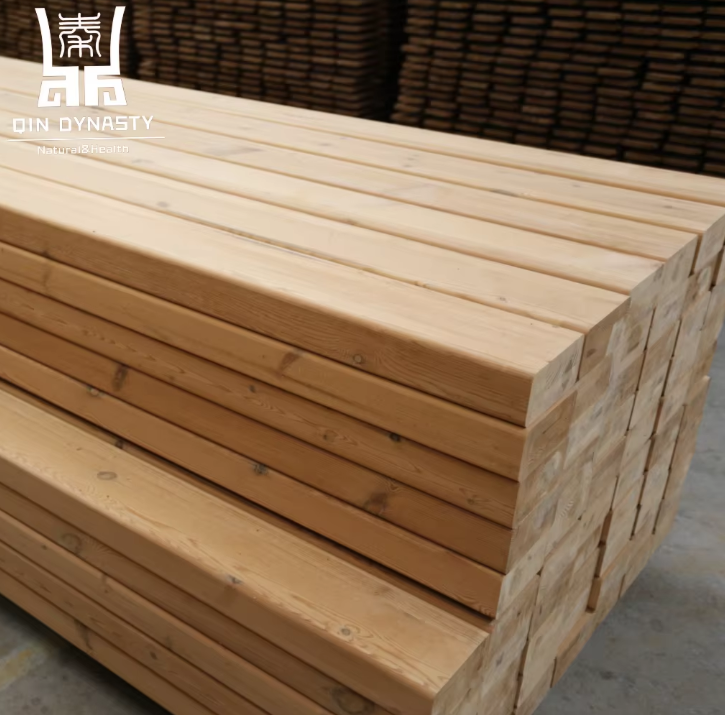
What Is Thermowood? Understanding Thermal Modification
The Science Behind Thermally Modified Wood
Thermowood starts as regular timber but gets transformed when exposed to heat between around 160 and 230 degrees Celsius in environments where oxygen levels are kept low. The heating changes how the wood cells work at a microscopic level. Specifically, it breaks down something called hemicellulose which makes wood prone to absorbing moisture, while keeping another part called lignin intact so the wood stays strong. What sets Thermowood apart from other treated woods is that none of those chemical preservatives get involved in the process. This means it ticks all the boxes for green building projects looking to meet European environmental regulations without compromising on quality or durability.
Heat and Steam Treatment: A Chemical-Free Enhancement Process
Thermal modification works mainly through heat and steam application, which makes this method much better for the environment compared to older wood preservation techniques. When the wood loses moisture down to around 4% during processing, it basically stops being a good home for fungus growth or insect infestation. According to some studies published last year in the Material Science Journal, these treated woods hold about three quarters less water than regular untreated wood. That means they just don't rot as easily over time, something that matters a lot when building structures meant to last decades.
How Thermal Modification Improves Natural Weather Resistance
By permanently altering the wood’s hygroscopic properties, thermowood achieves:
- 60% lower dimensional movement in humidity swings
- 8x greater resistance to brown-rot fungi (ASTM D2017 testing)
- Natural protection against wood-boring insects
This structural stability allows thermowood decking to withstand decades of exposure to rain, snow, and UV radiation without warping or splitting—a key reason for its 300% growth in European outdoor projects since 2020.
Superior Resistance to Rot, Moisture, and Insect Damage
The thermal treatment process used by Thermowood gets rid of those organic compounds that make wood prone to rotting. According to research published in the Wood Science Journal last year, this treatment cuts down on rot risk by around 90% when compared with regular untreated softwoods. What makes this approach so special is that it doesn't involve any chemicals at all. Instead, it changes the wood's internal structure so that moisture just doesn't stick around as much. Fungi find it hard to grow here, and those pesky wood boring insects? They tend to look elsewhere too. Lab results from independent testing centers indicate that even in really damp conditions, Thermowood manages to keep moisture levels below 5%. That kind of performance matters a lot for outdoor applications like decks that get hit by rainwater or sprinkler systems regularly throughout the season.
Structural Strength and Performance Over Time
When wood goes through the same heating process that makes it stand up better against weather, it actually becomes more stable in size too. Thermowood decks warp way less seasonally compared to regular hardwoods we're all familiar with. We're talking around 70 to maybe even 80 percent reduction because the treated wood holds onto less moisture overall. Look at those coastal installations where people have been using this stuff for over fifteen years now. The boards still hold up under weight just fine, and none of those screws or nails have come loose either something that happens all the time with other composite materials out there on the market today.
Do Thermowood Decks Outlast Composites? Examining 25-Year Lifespan Claims
Composite deck makers advertise those long 20 to 30 year warranties, but what actually happens? According to recent research from the Outdoor Materials Research Group in 2024, about two thirds of composite decks show signs of sagging and color loss within just 12 years. Now compare that to Thermowood which is made entirely from natural materials. A study conducted at the University of Eastern Finland back in 2023 found something interesting. They tested some Thermowood samples left outside for quarter of a century and discovered they still had around 85% of their initial strength. For anyone building something that needs to last and be environmentally friendly, this thermal modification process looks pretty promising as an alternative material choice.
Dimensional Stability and Performance in Extreme Climates
Reduced Swelling, Warping, and Cracking Under Temperature Fluctuations
Thermowood’s thermal modification process reduces equilibrium moisture content by 40–50% compared to untreated softwoods, according to wood science research (2023). This structural change enables the material to withstand temperature swings from -20°C to 50°C with less than 0.5% dimensional change—outperforming pressure-treated pine’s 3–4% movement range in identical conditions.
Water Resistance and Long-Term Structural Integrity
The cellular transformation creates natural water repellency, achieving 73% lower water uptake rates than conventional decking timbers (Wood Materials Journal 2022). This inherent resistance prevents capillary action that leads to internal rotting, maintaining load-bearing capacity for over 25 years in continuous outdoor exposure.
Case Study: Thermowood Decking in Nordic Outdoor Environments
A 5-year monitoring project in Finland’s coastal regions documented Thermowood decking surviving annual freeze-thaw cycles with only 1.2mm average board shrinkage. Control samples of tropical hardwood showed 5x greater movement, confirming thermowood’s superior performance in subarctic climates.
Sustainability Benefits and Environmental Impact
Eco-friendly production with no toxic chemicals
Thermowood's manufacturing process eliminates harmful chemical treatments through heat modification between 160–230°C, achieving a 98% reduction in VOC emissions compared to pressure-treated lumber. The procedure uses only steam and controlled thermal exposure, preserving wood’s natural polymer structure without toxic preservatives like chromium or arsenic.
Reducing reliance on tropical hardwoods and preventing deforestation
By enhancing softwood durability to rival tropical species like ipe and teak, thermowood decreases demand for rainforest timber. A 2023 World Forest Institute report shows European thermally modified pine decks replace 17,000 m³ of imported tropical hardwoods annually—equivalent to preserving 400 acres of primary rainforest.
Carbon footprint comparison: Thermowood vs. composite and exotic timber
| Material | Production CO₂/kg | Transportation Impact | End-of-Life Recyclability |
|---|---|---|---|
| Thermowood | 0.8 | Local softwood sourcing | 100% biodegradable |
| Composite decking | 2.7 | Global polymer imports | <10% recyclable |
| Tropical hardwood | 1.2 | Transoceanic shipping | Limited decomposition |
Thermowood's closed-loop thermal modification results in a 65% lower lifetime carbon footprint than composite alternatives, while sequestering 1.8 tons of CO₂ per cubic meter over 30+ years of service (Forestry Carbon Index 2023).
Low Maintenance and Aesthetic Appeal for Premium Decking
Minimal Upkeep Requirements Compared to Traditional and Composite Decking
Wood decks made from thermowood need about three quarters less maintenance each year compared to regular untreated wood. No more worrying about applying those harsh chemical sealants or spending weekends sanding away imperfections. Composite materials tend to get moldy when it's damp outside, but thermowood is different. The special treatment gives it built-in protection against moisture problems because the wood itself holds so little water after processing (usually under 6%). According to recent industry reports from 2023, most thermowood deck owners barely spend any time maintaining their decks at all — around 2 to 4 hours per year for simple cleaning tasks. That's a huge difference compared to someone taking care of a stained cedar deck who might end up putting in over fifteen hours annually just keeping things looking decent.
Rich, Natural Color Tones and Grain Patterns Enhancing Visual Curb Appeal
When wood goes through thermal modification, it brings out those rich natural colors we all love seeing in our homes these days. Think warm amber shades mixed with chestnuts that just look right against contemporary architecture. Painted composite materials tend to fade all over the place, but thermowood keeps its color even when exposed to sunlight for years on end. A recent durability test from 2024 showed something interesting too only about 3% change in color after putting samples through 8,000 hours of simulated weather conditions. What's really cool is how those vertical grain patterns stay clearly visible for many decades without fading away completely like they do with cheaper synthetics. This kind of lasting beauty simply can't be matched by anything man made.
Positioning Thermowood as a Sustainable Luxury Decking Material
High-end residential projects increasingly pair thermowood’s eco-credentials with premium finishes, as 68% of luxury homeowners prioritize materials combining sustainability and visual refinement. Architects favor its ability to achieve bespoke designs without toxic stains—89% of surveyed builders report clients selecting thermowood over tropical hardwoods for elevated outdoor spaces.
Table of Contents
-
What Is Thermowood? Understanding Thermal Modification
- The Science Behind Thermally Modified Wood
- Heat and Steam Treatment: A Chemical-Free Enhancement Process
- How Thermal Modification Improves Natural Weather Resistance
- Superior Resistance to Rot, Moisture, and Insect Damage
- Structural Strength and Performance Over Time
- Do Thermowood Decks Outlast Composites? Examining 25-Year Lifespan Claims
- Dimensional Stability and Performance in Extreme Climates
- Sustainability Benefits and Environmental Impact
- Low Maintenance and Aesthetic Appeal for Premium Decking
 REQUEST AN ESTIMATE
 Products