 EN
EN

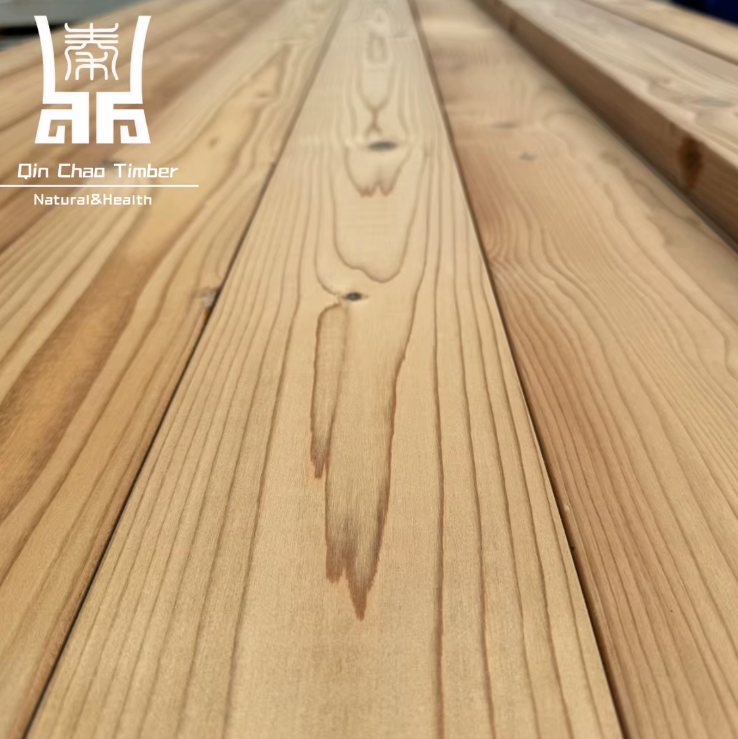
Thermowood Species Selection for Exterior Durability and Climate Resilience
Rot Resistance Class (EN 350): Why Class 1 Thermowood Is Essential for Exterior Wall Panelling
EN 350 is the European standard that ranks how well different woods resist rot from fungi, putting Class 1 at the top for natural protection. When it comes to outside walls, particularly those facing harsh conditions or constant dampness, going with Class 1 Thermowood makes all the difference. The thermal treatment process heats wood between around 200 to 230 degrees Celsius, which basically removes hemicellulose - the main food source for rot-causing organisms. At the same time, this process brings down the wood's moisture balance to about 4 to 6 percent. What we get is a naturally resistant material that holds up against weather for many years without needing any chemicals. Real world tests show that in places where humidity stays high, Class 1 cladding keeps its strength for more than 40 years. Go with anything below Class 1 though, and there's a good chance of early breakdown problems down the road, leading to expensive fixes nobody wants.
Thermo-Pine vs. Thermo-Ash vs. Thermo-Oak: Matching Species to Exposure Conditions
| Species | Durability Class | Lifespan (Above Ground) | Ideal Climate Conditions |
|---|---|---|---|
| Thermo-Ash | Class 1 | 40+ years | Coastal, high-salt spray zones |
| Thermo-Oak | Class 1 | 40+ years | Freeze-thaw cycles, alpine regions |
| Thermo-Pine | Class 2 | 15–40 years | Sheltered, temperate environments |
Both Thermo-Ash and Thermo-Oak meet the EN 350 Class 1 durability standard because they have these really dense, thermally stable cell structures that just won't swell, crack, or get corroded by salt. When it comes to areas with lots of airborne salt, Thermo-Ash stands out as the better choice since it holds up against accelerated deterioration. Meanwhile, Thermo-Oak doesn't absorb much moisture at all, so it works great in those places with constant temperature changes found in mountainous regions during winter months. Thermo-Pine is definitely cheaper but only reaches Class 2 standards. This means it needs some kind of protective coating if installed somewhere with intense UV exposure or heavy rainfall. Look at storm-prone building exteriors for example. Using Class 1 materials there cuts down on maintenance work roughly 60% over time when compared to Class 2 options. That's why picking the right species matters so much for how well structures hold up year after year.
Aesthetic Performance and Design Integration of Thermowood Cladding
Color Stability, Silvering Patterns, and Grain Definition Over Time
When thermowood cladding ages over time, it follows a pretty predictable pattern. The starting off color is this nice warm honey shade that slowly turns into a beautiful silvery gray all over. Regular wood tends to gray out in patches because different parts of the tree have varying densities and chemical makeup. But with thermowood, the way the cells inside change during treatment means the whole panel will gray evenly wherever it's installed. Another great thing about this material is how stable it stays dimensionally. Even after being exposed to sun and rain for many years, the wood keeps its sharp grain lines without developing those annoying little cracks or checks on the surface. What makes thermowood really stand out is that this natural aging process actually works in favor of maintenance. There's absolutely no need for special stains or sealers to keep track of color changes. This saves money in the long run while maintaining a consistent look throughout the building's lifetime.
Aligning Thermowood Profiles, Tone, and Rhythm with Architectural Intent
Thermowood works really well for architects who want their designs to come through clearly. They can cut it into straight boards or create those deep textures similar to traditional Japanese shou sugi ban treatments. The wood maintains a uniform color and ages predictably, so designers can plan facades confidently with different board sizes like 28mm, 42mm, or even 68mm widths. The gaps between boards also look good when spaced just right. When left unfinished, thermowood brings a warm touch to modern buildings made of concrete or steel. For projects near historical areas, there are versions already treated to look aged, which saves time on creating that old-world feel. Because of all these qualities, thermowood fits naturally into many architectural styles. It can form the backbone of simple geometric structures or help restore character to older buildings by adjusting how rough or smooth the surface feels, where joints sit apart from each other, and how light plays across varying shades over time.
Dimensional Stability, Moisture Management, and Real-World Installation Best Practices
Moisture Equilibrium and Swelling Behavior in Humid Climates (Per BS EN 16737)
Moisture problems are a real headache for most exterior claddings in humid areas, but thermowood handles things differently when it comes to absorbing and releasing water. According to the BS EN 16737 standard, thermowood typically reaches an equilibrium moisture content somewhere between 4% and 7%. That's about 40% less than regular untreated wood, which makes a big difference in how it behaves over time. The results speak for themselves too. Even when humidity levels hit 85%, swelling stays under 0.5%, and water gets absorbed at less than 10% of what we see in untreated materials. For those working with thermowood on actual projects, maintaining these properties during installation requires specific attention to certain details that ensure long term performance.
- Maintain 6–8 mm expansion gaps between panels
- Use stainless-steel fasteners spaced no more than 400 mm apart
- Elevate base courses at least 30 mm above grade
When followed, these practices prevent cupping, buckling, and joint distortion—ensuring dimensional tolerances stay within 0.3 mm/m, a benchmark critical for visual continuity in tropical and coastal installations.
Long-Term Value: Thermowood’s Low Maintenance, Lifespan, and Sustainability Advantages
When it comes to exterior wall panels, Thermowood stands out because of what makes it so valuable over time. First off, there's practically no maintenance needed compared to other materials. Plus, these panels last much longer than regular wood products would. And let's not forget about how environmentally friendly this option really is. What happens during the thermal treatment? Basically, they just apply steam and heat to the wood. This simple process actually boosts the wood's natural defenses against rot, insects, and fungi without adding any harmful chemicals into the mix. So homeowners don't have to worry about applying those chemical preservatives every few years or spending money on constant refinishing work. Studies show that maintenance expenses drop somewhere between 30% and 40% when using Thermowood instead of untreated alternatives. That kind of savings adds up pretty quickly for property owners looking to cut costs while still getting quality results.
According to industry reports, thermowood cladding generally lasts around 25 to 30 years when maintained properly, which is almost twice as long as regular wood used outdoors. The extended lifespan means fewer replacements over time, cuts down on the energy required for manufacturing new materials, and ultimately lowers the overall demand for resources in the long run. Most importantly, thermowood comes only from forests certified by organizations like FSC or PEFC, ensuring sustainable sourcing practices. Plus, during production, manufacturers often rely on renewable energy sources. What makes this material really stand out though is what happens at the end of its useful life. Unlike many other composite options on the market today, thermowood breaks down completely when discarded, leaving behind no harmful substances or microplastics. This characteristic makes it a great fit for projects aiming toward circular construction principles where materials can return safely to nature after serving their purpose.
| Advantage | Impact | Industry Benchmark |
|---|---|---|
| Maintenance | 40% lower upkeep costs vs. untreated wood | LumberPlus 2024 |
| Lifespan | 25–30 years in exterior applications | ThermoProduction 2024 |
| Carbon Footprint | 100% biodegradable; zero chemical byproducts | ThermoJournal 2023 |
Together, these attributes lower total lifetime ownership costs while aligning with stringent sustainability frameworks—proving that premium performance, aesthetic integrity, and ecological responsibility are not mutually exclusive in modern cladding design.
Table of Contents
- Thermowood Species Selection for Exterior Durability and Climate Resilience
- Aesthetic Performance and Design Integration of Thermowood Cladding
- Dimensional Stability, Moisture Management, and Real-World Installation Best Practices
- Long-Term Value: Thermowood’s Low Maintenance, Lifespan, and Sustainability Advantages
 REQUEST AN ESTIMATE
 Products