 EN
EN

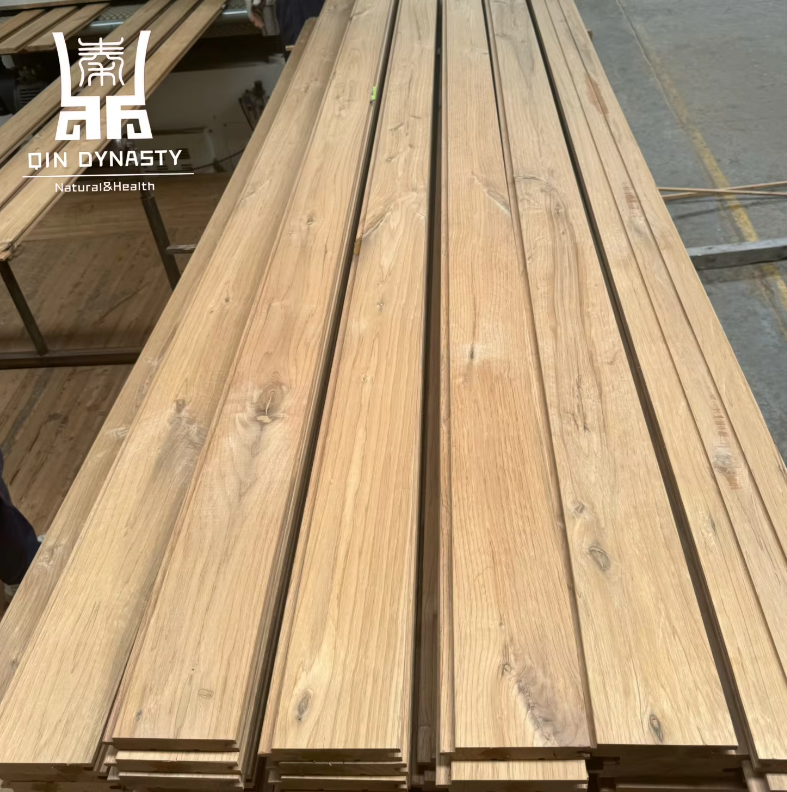
Understanding Thermally Modified Wood Decking Properties
Why Thermal Modification Enhances Durability and Stability
When making thermally modified wood decking, manufacturers heat the wood between around 180 and 220 degrees Celsius inside special chambers where there's little oxygen present. The intense heat changes how the wood is built at a cellular level, mainly breaking down something called hemicellulose which tends to rot easily when exposed to nature's elements. After this treatment, the wood absorbs far less moisture than regular untreated wood according to some research from Market Research Intellect back in 2023. This means the wood stays more stable in size and shape over time, plus it stands up better against things like mold growth, insect damage, and bacteria attack. What sets this method apart from traditional pressure treatments is that nothing chemical gets added during processing. Just plain old heat and steam do all the work, which makes thermal modification pretty eco friendly considering most other methods rely on harsh preservatives. People who install this type of decking often find it lasts anywhere from 25 to 30 years before needing replacement. That kind of durability makes it particularly good for areas where temperatures swing wildly throughout the seasons or places where humidity levels fluctuate constantly.
Key Differences Between Thermally Modified Wood Decking and Conventional Alternatives
| Characteristic | Thermally Modified Wood | Conventional Wood |
|---|---|---|
| Decay Resistance | Natural (no chemicals) | Requires chemical treatment |
| Moisture Stability | 85% less swelling | Prone to warping |
| Environmental Impact | Chemical-free process | Often uses toxic preservatives |
| Lifespan | 25–30 years | 10–15 years |
When it comes to handling extreme temperatures, thermally modified wood just keeps performing reliably while pressure treated lumber tends to warp and split when things get too hot or cold. The heat treatment process actually removes those sugary compounds that bugs love so much, making this type of wood far less attractive to insects than cedar or redwood alternatives. What's really nice is how the wood takes on this deep brownish color all on its own without needing any kind of stain application. Composite decks will eventually start looking washed out after sitting in the sun for years, but thermal wood retains its rich appearance over time. Plus, homeowners find they spend less money fixing problems down the road, and there's something satisfying about knowing this material was produced through a greener manufacturing process compared to many other options available today.
Routine Cleaning and Surface Care for Thermally Modified Wood Decking
Gentle, pH-Neutral Cleaning Protocols to Preserve Surface Integrity
Keeping things clean stops bits of organic matter from holding onto moisture and letting mold or mildew get started on surfaces. Grab a soft bristle brush and mix up some warm water with a gentle, pH balanced soap. This combo lifts away dirt while keeping the wood's internal structure intact. Avoid those strong alkaline or acidic cleaners though. They actually break down the lignin bonds in heat treated wood, which means faster wear on the surface and quicker graying over time. When rinsing after cleaning, stick to low pressure water from a garden hose and move in the direction of the grain pattern so fibers don't come loose. Stubborn marks like grill residue or tannin spots need special attention. Spot cleaning works best here with products made specifically for thermally modified timber. And remember to always try out any cleaning product on a small hidden section first before going all out.
What to Avoid: Harsh Chemicals, Pressure Washing, and Abrasive Tools
Aggressive maintenance methods cause irreversible damage to the surface integrity of thermally modified wood decking. Avoid:
- Pressure washers: Jets exceeding 500 PSI erode surface fibers, creating uneven textures that trap moisture and accelerate weathering.
- Bleach or ammonia-based cleaners: These disrupt the wood’s natural pH balance, leading to brittleness and accelerated color loss.
- Steel wool or stiff scrubbers: Abrasives create micro-scratches that harbor moisture, mold, and UV-damaged cellulose.
Studies show decks cleaned with alkaline solutions experience three times faster color fading than those maintained with neutral cleaners. Instead, sweep weekly and address spills immediately with a damp, lint-free cloth to preserve both appearance and performance.
Moisture Management to Protect Thermally Modified Wood Decking Performance
Optimizing Drainage and Preventing Standing Water
Drainage matters a lot, even when working with thermally modified wood. The treatment does cut down on moisture absorption compared to regular wood, maybe around 60% less according to some tests, but water sitting around for too long can still cause problems over time. A good rule of thumb is to create at least a 1:80 slope away from nearby buildings so water flows where it should go. Gutters and those metal pipes coming off them help move rainwater away, while gaps between boards made with permeable materials let excess water pass through naturally. Don't forget to clean out any leaves or dirt blocking the drains every now and then. For decks located close to swimming pools or hot tub areas, adding an extra layer underneath the main structure makes sense as well. This helps stop water from collecting in one spot and causing damage down the road.
Ensuring Sub-Deck Ventilation to Stabilize Moisture Content
Getting enough air underneath the deck makes all the difference when it comes to controlling humidity levels and keeping things dry across the whole surface area. Leave at least six inches space between the actual deck boards and the soil below. Gravel bases work well here, or those special vent strips that let air move freely around the underside. When we talk about cross ventilation, what we really mean are those little design tricks like lattice panels on sides or small openings cut into the structure itself. These stop water vapor from building up which can cause warping and other problems down the road. Even though heat treated woods don't absorb moisture as much as regular lumber does, good airflow under the deck still matters a lot for how well everything holds up year after year. For folks living in places where humidity stays high most of the time, combining proper venting around the edges with materials that allow some breathability creates much better protection against dampness issues overall.
UV Protection and Long-Term Aesthetic Preservation
Thermally treated wood is great for staying stable in size and shape, but there's one big problem when it comes to looks: sunlight takes a toll on it over time. The wood starts to fade in color and develops that grayish film on the surface. When wood goes through thermal modification, something happens to the lignin inside that actually makes it more sensitive to light compared to regular untreated wood. If we want to keep those rich, golden tones looking good, an annual application of UV blocking oil works wonders, particularly if the wood sits out where the sun beats down all day long. These special oils let the wood breathe while they work their magic by soaking up and bouncing back harmful UV rays. Look for finishes with clear iron oxide additives since these stop both UVA and UVB radiation pretty well. What's nice about them is they bring out the natural patterns in the wood instead of covering them up completely. Regular maintenance keeps the wood looking fresh and protects against that slow build-up of damage from sunlight, so the beautiful appearance lasts much longer than most people expect.
Seasonal Maintenance Schedule and Proactive Inspection Protocol
Spring and Fall Inspections for Structural Integrity and Finish Degradation
Checking thermally modified wood decks twice a year makes all the difference in keeping them looking good and lasting longer. Spring and fall inspections make sense because these are when the deck faces the toughest conditions nature throws at it. Early spring brings those nasty freeze-thaw cycles that can wreak havoc, while summer sun beats down hard before autumn rains set in. When checking in spring, look out for any warping boards, cracks forming, or screws coming loose around where the joists connect. Don't forget to give railings and steps a close look too for signs they might be weakening. Come fall time, make sure water drains properly off the deck surface since wet weather is just around the corner. Also check how well the protective coating holds up against sunlight, paying extra attention to areas facing south and west where UV damage tends to show up first.
Focus your inspection on three key areas:
- Surface condition: Look for fading, splintering, or mold growth—particularly in shaded, poorly ventilated zones.
- Structural integrity: Test railings, stairs, and ledger attachments; scan for signs of insect activity (e.g., frass or small exit holes).
- Moisture management: Identify pooling near edges, gaps, or low spots where debris may impede drainage.
Thermally treated wood definitely stands up better to warping and rot compared to regular wood options, but ignoring regular inspections can lead to problems building up over time. According to what we've seen in the industry, decks that get proper maintenance throughout the seasons tend to last around 40% longer on average. Make sure to write down what's found during each checkup, especially after big storms or harsh winters when damage might not be immediately obvious. Catching small issues early prevents them from turning into expensive fixes later on, which is something every property owner wants to avoid.
Table of Contents
- Understanding Thermally Modified Wood Decking Properties
- Routine Cleaning and Surface Care for Thermally Modified Wood Decking
- Moisture Management to Protect Thermally Modified Wood Decking Performance
- UV Protection and Long-Term Aesthetic Preservation
- Seasonal Maintenance Schedule and Proactive Inspection Protocol
 REQUEST AN ESTIMATE
 Products