 EN
EN
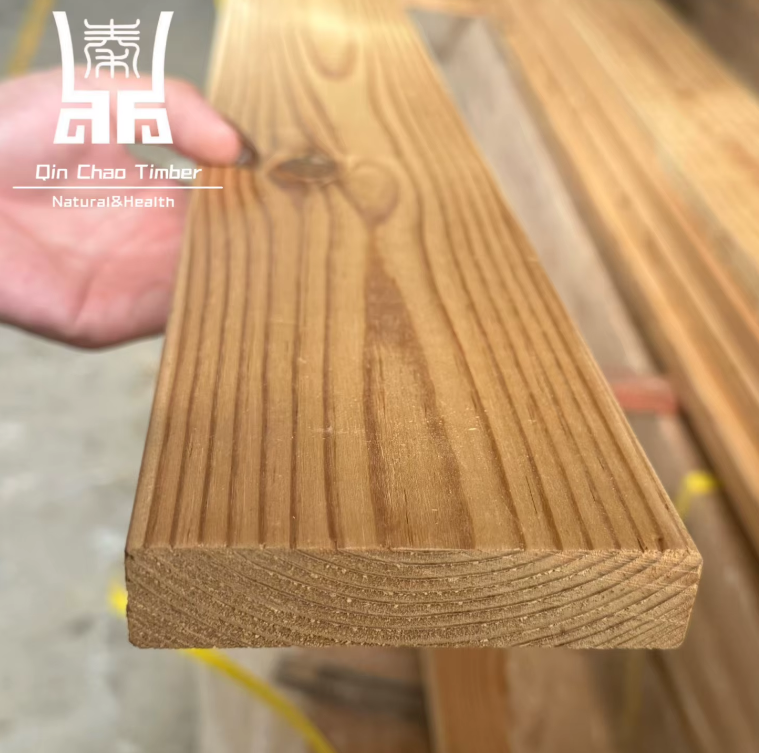
Decay and Rot Resistance: Why Thermally Modified Ash Earns Class 1 Durability
Mechanism of Thermal Modification: How Heat Enhances Natural Durability
When ash undergoes thermal modification at temperatures over 180 degrees Celsius, it loses those sugars that normally attract decay-causing fungi. Plus, the wood becomes significantly less hygroscopic, meaning it absorbs about 30 to maybe even 50 percent less moisture from the air. What happens inside is pretty remarkable too. The heat changes how the wood cells are structured on a molecular level, swapping out those water-loving hydroxyl groups for something much more stable called polymers. As a result, when the wood reaches equilibrium with its surroundings, moisture levels stay well under 6 percent. That's just not enough to sustain most microorganisms trying to break down the wood. And here's what makes this process stand out compared to other treatments: there's absolutely no need for chemicals. Just good old fashioned heat and steam do all the work needed to transform the wood properties.
Class 1 Rating Explained: Lab Standards vs. Real-World Performance Validation
Wood rated at Class 1 durability represents the top level according to EN 350 standards, meaning it can stand up to rot for more than 25 years even without chemical treatments. The thermal modification process gives ash wood this impressive resistance after going through intense lab tests against fungi plus real world checks in both Europe and North America. When put to the test outside, this treated ash performs just as well as expensive tropical hardwoods such as ipe when used directly on the ground or near water sources. We've actually seen these boards last way past the 25 year mark in places with lots of humidity and salt air along coastlines. Because of how tough it is against moisture damage, many builders now choose thermally modified ash instead of traditional materials for things like house exteriors, outdoor decks, and other parts of buildings that get constantly wet from rain or sprinklers.
Weathering Behavior and Dimensional Stability Outdoors
Thermally modified ash excels outdoors due to its engineered resistance to environmental stressors. The thermal process reduces equilibrium moisture content by up to 50% compared to untreated ash—dramatically lowering susceptibility to swelling, shrinking, and related movement during humidity fluctuations.
Resistance to Warping, Cupping, and Splitting in Variable Climate Conditions
When we talk about thermal modification, what happens is that hydroxyl groups get reduced permanently, which means the material absorbs much less moisture right down at the cell level. Tests in labs have found that after sitting in water for three whole days, there's only about 2% swelling on the sides — better results than cedar or even pressure treated pine. During those cold weather tests that simulate harsh winter conditions, this modified wood stays strong and intact while regular woods start showing tiny cracks and checking on surfaces. The way it maintains its shape so well makes it a great choice for things like ventilated cladding systems or rainscreens, particularly useful in places near coasts or anywhere humidity levels tend to stay high.
Surface Graying, UV Response, and Long-Term Aesthetic Evolution
Most natural woods will develop that soft silvery gray look when exposed to sunlight, and thermally modified ash is no exception. The process happens slower compared to those tropical hardwoods we all know, yet faster than cedar. And here's something important folks often overlook it doesn't actually weaken the wood structurally. What happens is this oxidized surface forms kind of like a shield against further damage. Tests show around 0.1 to 0.3 millimeters gets worn away each year in normal climate conditions. Some people apply special oils to slow down the graying effect, but interestingly enough, quite a few architects and interior designers actually prefer watching the color change over time. They see it as part of the wood's story telling aspect. The good news is that functionally speaking, these boards keep performing well for years and years. When they need attention, usually just a light sanding or quick refinish job fixes things up visually without needing any real structural work.
Proven Outdoor Applications: Cladding, Decking, and Architectural Elements
Ash wood that's been thermally modified stands up really well against the tough conditions outdoors without needing much maintenance at all. With its top notch decay resistance rating and how stable it stays dimensionally, this material works great for putting on building exteriors, especially those fancy ventilated walls and rainscreen systems. When buildings can manage moisture consistently, they end up saving money on repairs down the road and their overall lifespan gets extended. On decks, this wood offers good grip underfoot while still handling heavy loads. It fights off fungus growth, resists insect attacks, and holds up against regular foot traffic way better than regular untreated hardwood would last. Plus, it cuts and shapes nicely which makes it possible to create all sorts of detailed outdoor features like pergolas, privacy screens, and even custom made furniture pieces. These structures keep their strength intact even after years of sun exposure, going through winter freezes and thaws, and dealing with whatever weather comes along season after season. What sets thermal modification apart from other options is that it doesn't rely on chemicals or synthetic treatments like some composite materials do. Instead, it creates lasting durability using just heat treatment processes that are completely safe and toxin free.
Thermally Modified Ash vs. Traditional and Engineered Alternatives
When evaluating materials for exterior use, thermally modified ash stands apart across longevity, maintenance, and sustainability—offering a compelling alternative to both imported hardwoods and synthetic composites.
Comparative Lifespan, Maintenance Needs, and Sustainability Profile
When used outside, thermally modified ash lasts over 25 years, comparable to ipe wood but much better than regular softwoods and most treated options on the market today. The wood gets its strength from heat treatment rather than chemicals, which gives it that Class 1 rating for resisting rot naturally. Maintenance? That's where things get interesting. Ipe needs oiling every single year just to keep looking good and stop those annoying cracks from forming. Thermally modified ash doesn't care about that stuff at all. It simply gets character as time passes without needing any special attention. Environmentally speaking, there are real benefits too. Since ash grows right here in North America, we avoid all those carbon emissions from shipping tropical woods like ipe across oceans. Plus, nobody has to worry about cutting down precious rainforests for this material. Compare that to plastic composite decks made from petroleum products, which won't break down naturally when they finally reach landfills. Thermal modification works by applying just heat and steam during processing. No toxic metals, no harsh chemicals, no VOCs involved whatsoever. This means builders can install these materials without worrying about harmful residues leaching into soil or water systems later on. For anyone trying to build something that stands up to weather, stays low maintenance, and still respects nature, thermally modified ash checks off all three boxes pretty nicely.
 REQUEST AN ESTIMATE
 Products