 EN
EN

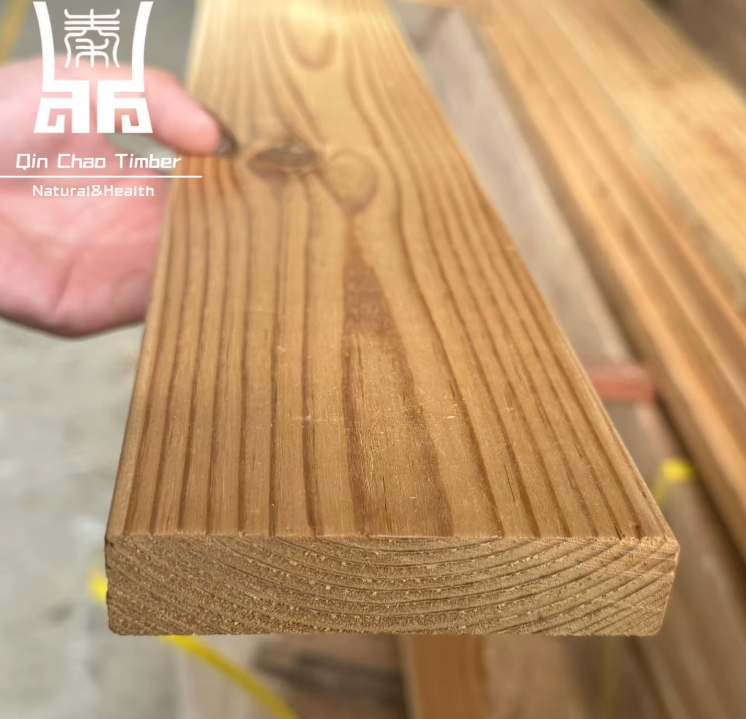
Why Thermally Modified Pine Excels in Sauna Environments
Heat and Humidity Resistance: How Thermal Modification Stabilizes Pine for Saunas
When it comes to saunas, thermally modified pine just beats regular wood hands down because the heat treatment changes how the wood cells work. The process runs around 180 to 220 degrees Celsius and cuts moisture uptake almost in half compared to normal softwoods. This matters a lot since saunas swing from about 150 to 195 degrees Fahrenheit constantly. With less moisture moving in and out, the wood stays stable instead of expanding and contracting all the time. No one wants gaps forming between panels or warped benches after months of use. Regular cedar and hemlock tend to create hot spots where parts get too warm for comfort. But thermally treated pine spreads heat evenly throughout thanks to better conductivity and no pesky resins causing uneven spots. People who spend long hours in their saunas will appreciate this even warmth across surfaces without uncomfortable patches.
Eliminating Resin, Warping, and Mold: Key Safety and Performance Gains for Sauna Wood
When heat modifies pine wood, it locks in those natural resins so they won't bleed out as sap anymore. This stops the annoying sap stains and potential burns when the wood gets hot. The heating process actually makes the wood denser too, about 10 to 15 percent more compact. What's really interesting is how this creates tiny pores on the surface that stop mold from taking hold. That matters a lot in saunas where regular wood tends to grow fungus within just half a year if left untreated. Thermal treatment works another way too. It takes care of those internal stress points in the fibers, which means less warping over time. Studies back this up showing around 80% reduction in warping compared to standard kiln dried wood. The result? Wood surfaces that stay flat without splinters and need far less upkeep whether installed in homes or businesses.
Comparing Thermally Modified Pine Species for Optimal Sauna Performance
Scots Pine vs. Norway Spruce: Density, Resin Content, and Thermo-Treatment Response
Scots Pine comes in at around 500 kg per cubic meter, which is denser than Norway Spruce's approximately 420 kg/m³ mark. This difference means Scots Pine holds heat just a bit better and stands up stronger against wear and tear, making it particularly good for those busy commercial saunas that get constant use. Both types of wood have resins that tend to leak when temperatures hit between 70 and 100 degrees Celsius. However, thermal treatment changes everything by locking those compounds together through polymerization, effectively eliminating any risk of resin bleeding. After this process, moisture uptake plummets by roughly 40 to 50 percent across both species, giving them similar protection against bending and rotting over time. Norway Spruce does have the advantage of being lighter, so it's easier to work with during installation. But Scots Pine wins out in the long run thanks to its tighter grain pattern and greater density, standing up much better to all that heating and cooling cycle after cycle. Once modified, both woods meet the EN 350 Class 2 standard for durability, meaning they should last many years even in those humid, steam filled sauna environments where other materials might fail sooner.
Sourcing Considerations: Origin, Kiln Protocol, and Certification Standards for Sauna-Grade Thermally Modified Pine
True sauna-grade thermally modified pine depends on rigorous sourcing and processing:
- Origin: Northern European timber–particularly from Scandinavia and the Baltic–is preferred for its slow-grown, tight growth rings, which enhance dimensional stability and reduce internal stress.
- Kiln Protocol: Authentic thermo-treatment requires sustained exposure to 180–220°C (Thermo-D grade), sufficient to reconfigure hemicellulose and lignin polymers and fully neutralize resins. Inconsistent temperatures or shortened cycles compromise safety and longevity.
- Certification: FSC or PEFC certification verifies sustainable harvesting, while EN 350 compliance confirms decay resistance and non-toxic performance. Always request third-party lab reports verifying moisture content <6% and dimensional stability thresholds–key indicators that the material meets the strict demands of continuous sauna use.
Thermal Conductivity, Surface Comfort, and User Experience with Thermally Modified Pine
Pine wood that has been thermally modified stays cool enough to touch even when heated, so there's no danger of burns from direct skin contact. The treatment makes the surface harder and stops sap from oozing out, which means benches and walls made this way stay smooth without splinters for years, even after lots of steam exposure. Regular untreated softwoods just don't hold up as well. They tend to warp or lose their shape over time, but modified pine keeps its structure and spreads heat evenly throughout. People actually enjoy using these surfaces because they feel good underfoot and hand, which is why many homeowners and business owners prefer them for bathrooms, saunas, and other spaces where warmth matters.
Long-Term Durability and Maintenance of Thermally Modified Pine in Saunas
Real-World Lifespan Data: 10+ Years of Thermo Pine in Commercial and Residential Saunas
Tests in the field indicate that thermally treated pine lasts around 12 to 15 years in commercial saunas that run at least eight sessions each day, while residential versions tend to last well over ten years. The wood absorbs about 40 to 50 percent less moisture compared to regular sauna materials, which means almost no warping happens and mold problems become rare occurrences. Most people find this makes all the difference since warped wood and mold growth are usually why traditional sauna wood fails so quickly. Residential models need minimal upkeep after the fifth year, generally under 200 hours annually for things like light sanding to keep surfaces feeling good. For commercial setups, simple cleaning with neutral pH solutions works most of the time. There's really no need for harsh chemicals or oiling treatments. What's interesting is how the wood maintains its ability to conduct heat pretty steadily within about plus or minus 5 percent over a decade, ensuring consistent warmth across the entire surface area and keeping users comfortable throughout the wood's long life span.
 REQUEST AN ESTIMATE
 Products