 EN
EN

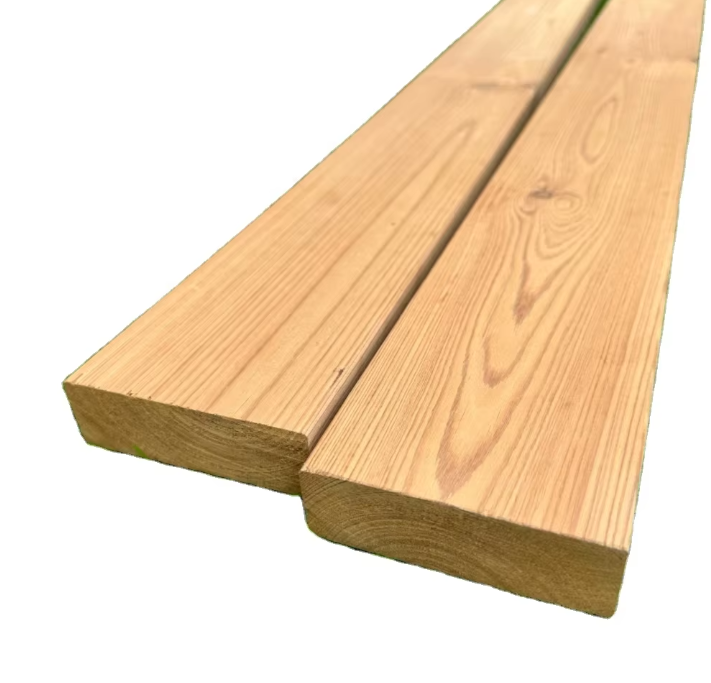
Why Thermally Modified Wood Is Ideal for Saunas
Understanding the thermal modification process and its impact on wood for sauna environments
When wood gets heated between about 180 and 230 degrees Celsius without oxygen around, something interesting happens at the cell level. The heat breaks down those compounds that make wood absorb moisture, specifically things like hemicellulose. According to research published in Forest Products Journal back in 2022, this can cut the amount of moisture the wood wants to hold by nearly half. What does all this mean practically? Well, the treated wood becomes much tougher against rot and mold growth. It also stays pretty much the same size even when exposed repeatedly to high temperatures around 90 degrees Celsius and changes in humidity levels. That's why many sauna builders prefer using thermally modified wood for their installations where stability and resistance matter most.
Heat resistance of thermally modified wood in high-temperature sauna conditions
Regular untreated wood tends to crack when exposed to temperatures over around 70 degrees Celsius, while wood that has been thermally modified can handle heat up to about 100 degrees without developing those unsightly cracks on the surface. What happens during this process is that the lignin content goes up somewhere between 12% and 15%. This creates kind of a built-in heat shield effect that makes it harder for heat to move through the material. For people who design or maintain steam rooms, this characteristic really matters because it means there's less chance someone will get burned if they accidentally touch something that's gotten too hot. The difference might seem small, but in environments where high temperatures are common, these improvements make all the difference in terms of both safety and longevity.
Water resistance and durability in humid sauna settings
When wood undergoes thermal modification, its cell walls collapse and hydrophobic compounds form naturally during the process. The result? This treated wood soaks up about 40 to 60 percent less water compared to regular sauna timber. Some interesting test results from Building Materials Institute back this up too. They ran accelerated aging tests that simulated roughly ten years of actual use. Modified spruce only swelled permanently by under 1.5%, while untreated cedar swelled between 8 and 11%. That makes a big difference in practical terms. Sauna builders notice far less warping problems at critical spots like benches, air vents, and those tricky joints where moisture tends to collect over time.
Eco-friendliness and safety compared to chemically treated wood for sauna use
The process of thermal modification relies solely on heat and steam rather than those nasty chemical preservatives we find in traditional pressure-treated lumber, such as arsenic and copper compounds. When put through standard emissions tests, this material actually emits around 93 percent fewer volatile organic compounds compared to its chemically treated counterparts during heating processes, which makes all the difference for maintaining good indoor air quality especially inside those tight sauna spaces people love so much these days. Plus, since thermally modified wood is both fully recyclable and comes from sustainable sources, studies show it carries approximately 62% less overall environmental burden throughout its entire 30-year lifespan versus those exotic tropical hardwoods that many high-end construction projects still favor despite their ecological footprint.
Top Thermally Modified Wood Species for Sauna Construction
Thermo Aspen: Stability, color retention, and performance in saunas
Thermo Aspen holds up really well when it comes to staying dimensionally stable. It keeps its shape even after going through multiple heating cycles between around 160 to 200 degrees Fahrenheit. What's great about this material is that it doesn't darken much over time either something that happens quite often with regular wood when it gets steamed. The surface is pretty smooth too, without those annoying knots we usually see in natural wood products. Because there aren't so many knots or rough spots, Thermo Aspen doesn't retain as much heat as other materials would. That makes seats made from it actually comfortable to sit on during warm weather. For people building benches or outdoor furniture, this stuff seems like a smart choice overall.
Thermo Spruce: Affordability and structural reliability for sauna interiors
Offering an optimal balance of cost and performance, thermally modified spruce retains 92% of its original strength post-treatment (Forest Products Laboratory 2022), supporting wall panels and framing reliably. Its tight grain limits moisture uptake, while its golden-brown hue develops a refined patina over time, adding character without compromising function.
Thermo Radiata Pine: Availability and ease of installation in sauna builds
Thermo treated radiata pine has a Janka hardness rating around 1,120 pounds force which means it holds up pretty well while still being easy enough to work with for most projects. The pre-cut boards make things much simpler for anyone trying their hand at DIY stuff around the house. Plus, since this type of wood is so commonly available these days, people don't have to wait those extra two or three weeks like they might when ordering something more exotic. What really sets it apart though is how thermal processing works its magic on the wood grain itself. This treatment basically closes off all those little resin channels inside the timber, so there's no annoying sticky sap coming out when exposed to heat. That kind of problem plagues regular untreated pine quite often, especially during warmer seasons or near heating appliances.
Alder and magnolia: Niche aesthetic options in thermally modified wood for saunas
When thermally treated, alder takes on rich caramel colors that really pop in normal room lighting conditions. Magnolia wood has a tighter grain structure which gives it that nice smooth finish with a soft sheen to it. These woods actually perform quite well when it comes to keeping heat out compared to regular cedar wood. We're talking roughly 15 to maybe even 20 percent improvement in insulation properties, so this translates into real-world energy savings for homeowners. While these options aren't as widely available as other materials, the unique grain patterns they display make them stand out from mass-produced alternatives. Designers often specify these woods when working on special projects where looking different matters but still needing good protection against humidity and water damage remains important.
Durability and Dimensional Stability in Sauna Conditions
When selecting wood for sauna construction, durability and dimensional stability are paramount. Thermally modified wood maintains less than 6% moisture content after treatment—nearly half that of untreated wood (Building Materials Journal, 2023)—which fundamentally improves performance under thermal and humidity stress.
Long-term performance under repeated heating and cooling cycles
Sauna interiors face over 30 temperature cycles weekly, ranging from 21°C to 90°C. After two years of simulated use, thermally modified wood exhibited 55% less cracking than traditional cedar (Wood Engineering Institute, 2022). The stabilization of lignin bonds during treatment prevents micro-fractures, significantly slowing structural degradation.
Reduced warping and swelling in high-moisture environments
Thermal modification reduces hygroscopicity by 48–52% (Materials Science Quarterly, 2023), resulting in:
- 83% less cupping in bench slats after 18 months of daily use
- 72% lower volumetric swelling compared to pressure-treated pine
- Near-zero risk of adhesive failure in laminated components
This consistency eliminates gaps in paneling and flooring, improving heat retention and user safety over time.
Aesthetic Appeal and Thermal Insulation Benefits
Rich, Uniform Tones and Visual Warmth of Thermally Modified Wood for Sauna Interiors
When wood gets that controlled heat treatment, it naturally takes on those beautiful caramel to chocolate colors, resulting in interiors that look clean and consistent without any staining issues. This method really brings out the grain patterns in woods such as aspen and spruce. What's great is how it makes sure all the boards match in color too—something that regular untreated wood just can't achieve because it tends to fade unevenly over time. The warm tones created by this process actually help create that peaceful feeling people associate with saunas. There's something about walking into a space where everything looks so harmonious and inviting that just adds to the overall relaxation factor.
Natural Thermal Insulation Properties Enhancing Sauna Energy Efficiency
When wood goes through thermal modification, the cells inside change in ways that cut down on how well it conducts heat by around 12 to maybe even 18 percent. That means sauna rooms can hold onto their warmth for much longer periods and bounce back quicker once someone opens a door for fresh air. The bonus here is that these modified woods actually use about a quarter to almost a third less energy than regular untreated softwood options. What makes this so great? Well, unlike those plastic alternatives we see everywhere now, naturally treated wood keeps performing pretty much the same way year after year because it doesn't rot when exposed to moisture. So while people might pay a bit more upfront, they end up saving money over time and helping out the environment at the same time.
Table of Contents
-
Why Thermally Modified Wood Is Ideal for Saunas
- Understanding the thermal modification process and its impact on wood for sauna environments
- Heat resistance of thermally modified wood in high-temperature sauna conditions
- Water resistance and durability in humid sauna settings
- Eco-friendliness and safety compared to chemically treated wood for sauna use
-
Top Thermally Modified Wood Species for Sauna Construction
- Thermo Aspen: Stability, color retention, and performance in saunas
- Thermo Spruce: Affordability and structural reliability for sauna interiors
- Thermo Radiata Pine: Availability and ease of installation in sauna builds
- Alder and magnolia: Niche aesthetic options in thermally modified wood for saunas
- Durability and Dimensional Stability in Sauna Conditions
- Aesthetic Appeal and Thermal Insulation Benefits
 REQUEST AN ESTIMATE
 Products