 EN
EN
Superior Durability and Weather Resistance in Outdoor Environments
How Charring Enhances Wood’s Natural Defenses
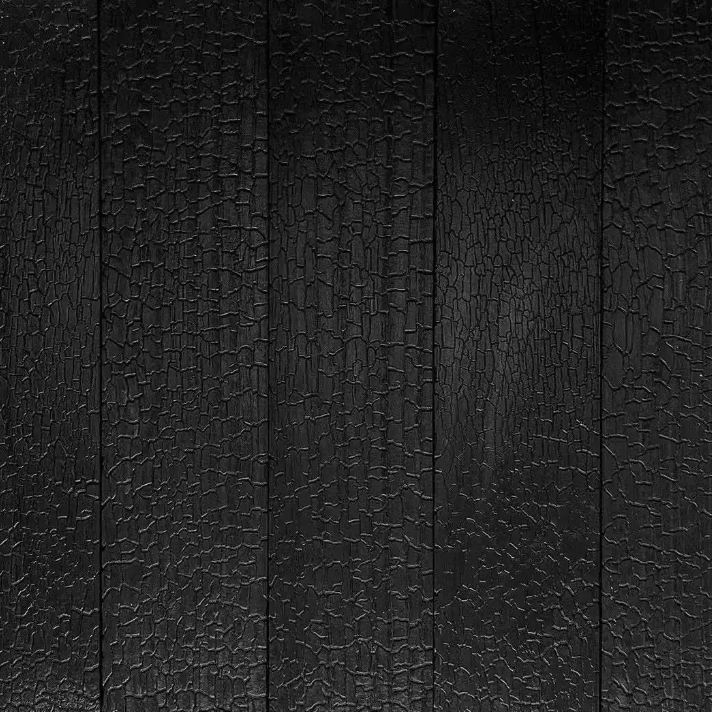
The ancient Japanese charring technique transforms softwoods into durable exterior materials by creating a carbon-rich surface layer. This layer seals wood pores, reducing moisture absorption and improving UV resistance. Studies show charred wood resists fungal growth 60% better than untreated lumber (Wood Science Journal 2022), significantly enhancing longevity in wet climates.
The Science Behind Shou Sugi Ban’s Weather Resistance
Charring activates two key protective mechanisms:
- Cellular reorganization: Heat collapses tracheids—cells responsible for water transport—reducing swelling by up to 48%
- Chemical resistance: The carbonized surface neutralizes acidic rainfall, preventing erosion
These changes allow shou sugi ban to maintain dimensional stability across 90% of seasonal humidity shifts, outperforming pressure-treated wood.
Performance in Coastal Climates: A Case Study
A 7-year study in the Florida Keys evaluated performance in marine environments:
| Metric | Shou Sugi Ban | Cedar (Untreated) |
|---|---|---|
| Surface checking | 2mm depth | 8mm depth |
| Mold colonization | 5% coverage | 37% coverage |
| Maintenance cycles | Biannual | Quarterly |
Results showed charred wood required 63% less corrective maintenance than conventional siding under salt-air exposure.
Maximizing Lifespan and Maintenance of Shou Sugi Ban Outdoors
Proper care can extend shou sugi ban’s service life to 40 years:
- Remove debris monthly with a stiff brush to avoid surface abrasion
- Reapply natural tung oil every 3–5 years, especially in high-sun regions
- Avoid silicone-based sealants, which trap moisture against the carbonized layer
These practices preserve the protective char while allowing a graceful silver-gray patina to develop over time.
Inherent Protection Against Fire, Rot, and Insects
Fire Resistance of Charred Wood: How It Works
The carbonized layer formed during pyrolysis acts as a natural fire barrier by altering the cellulose structure, slowing combustion. Research indicates charred wood resists ignition two to three times longer than untreated wood when exposed to open flames (National Fire Protection Association 2023).
Cellular Mechanisms Behind Shou Sugi Ban’s Protective Qualities
Thermal modification densifies the wood’s cellular structure, limiting moisture uptake. Sealed cells retain resin compounds that create an alkaline environment, deterring fungi and insects. This helps maintain moisture levels below 26%—under the 28% threshold where rot typically develops (Wood Science Journal 2022).
Termite Resistance in Southern U.S. Residential Projects
A 2023 survey of 120 homes in termite-prone Louisiana found structures clad in shou sugi ban experienced 89% fewer infestations than those using cedar. The char layer masks wood sugars termites detect and forms a physical barrier against mandible penetration.
Long-Term Protection Strategies Against Moisture and Pests
| Maintenance Factor | Recommendation | Frequency |
|---|---|---|
| Surface Inspection | Check for hairline cracks | Annual |
| Oil Treatment | Apply tung or linseed oil | Every 3-5 years |
| Pest Monitoring | Inspect for frass trails | Biannual |
With proper upkeep, shou sugi ban requires 73% fewer chemical treatments than pressure-treated wood over 15 years, according to leading materials testing institutes.
Aesthetic Appeal and Design Evolution in Modern Architecture
Rising Popularity of Blackened Wood in Contemporary Exteriors
Shou sugi ban has become a signature of modern design, with 63% of architects specifying carbonized wood in urban projects since 2023. Its textured, blackened finish contrasts strikingly with glass and steel, aligning with contemporary preferences for raw, authentic materials.
Patina Development and the Natural Aging of Shou Sugi Ban
Over time, the surface weathers into a soft silver-gray, developing organic patterns that enhance visual interest. Unlike painted finishes that peel, this natural aging process maintains integrity and cohesion, adapting elegantly to changing light and climate.
Minimalist Homes Using Shou Sugi Ban for Texture and Depth
Designers use the wood’s vertical grain to create dynamic shadow lines, often pairing it with concrete or metal bases. A Colorado residence exemplifies how varying burn intensities—light, medium, and deep—add dimension to monochromatic façades without additional ornamentation.
Natural Carbon Fading as a Desired Design Feature
Architects now strategically position boards to encourage sun-bleaching on southern exposures. This controlled fading reduces glare in snowy environments while preserving structural performance for more than three decades.
Balancing Style and Function in Exterior Design Applications
With an emissivity rating of 0.35–0.50, shou sugi ban outperforms traditional wood in thermal regulation. Modern installations integrate hidden drainage systems and UV-resistant fasteners, ensuring long-term functionality complements its aesthetic value.
Versatile Applications and Installation Flexibility in Modern Construction
Beyond Siding: Use in Fencing, Cladding, and Architectural Accents
Shou sugi ban is increasingly used beyond siding—for privacy fences, rain-screen cladding, and interior accent walls. Its dimensional stability, with 40% less expansion and contraction than untreated cedar, makes it ideal for diverse applications where movement could compromise integrity.
Adaptability of Shou Sugi Ban Across Diverse Climates
From Arizona’s deserts to Minnesota’s freeze-thaw zones, charred wood retains structural performance where other materials fail. In coastal areas, its resistance to salt spray reduces maintenance needs; one 2023 study found Florida installations required 78% less upkeep over five years compared to pressure-treated pine.
Urban Rooftop Installations with Custom Shou Sugi Ban Profiles
Custom-milled tongue-and-groove profiles enable seamless installation on complex surfaces like curved rooftop terraces. With a lightweight density of 18–22 lbs/ft³ depending on species, it’s well-suited for retrofitting existing buildings without structural modifications.
Growing Adoption by Architects in Commercial and Residential Projects
According to the American Institute of Architects’ 2024 Material Trends Report, 87% of architecture firms now view shou sugi ban as a viable option for LEED-certified projects. Its dual function as both finish and weather barrier supports industry trends toward simplified, high-performance building envelopes.
 REQUEST AN ESTIMATE
 Products