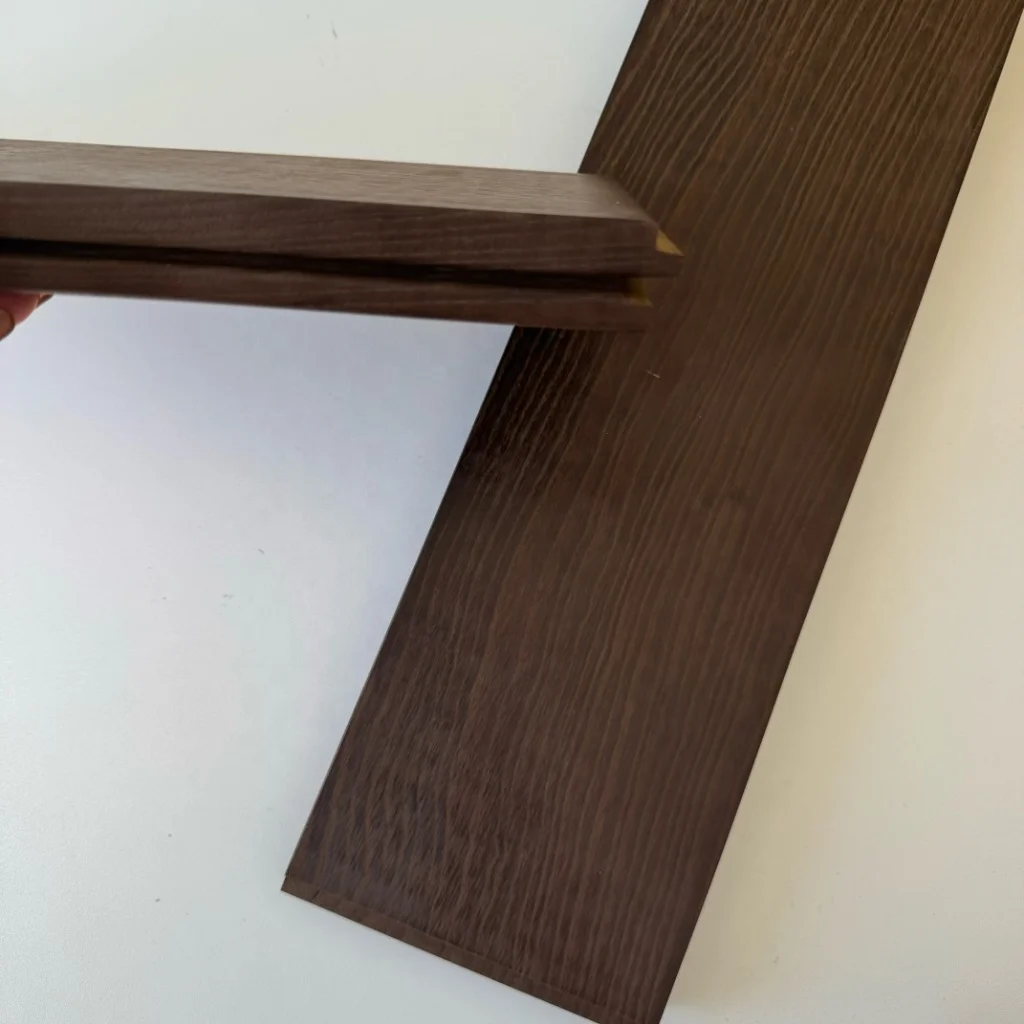
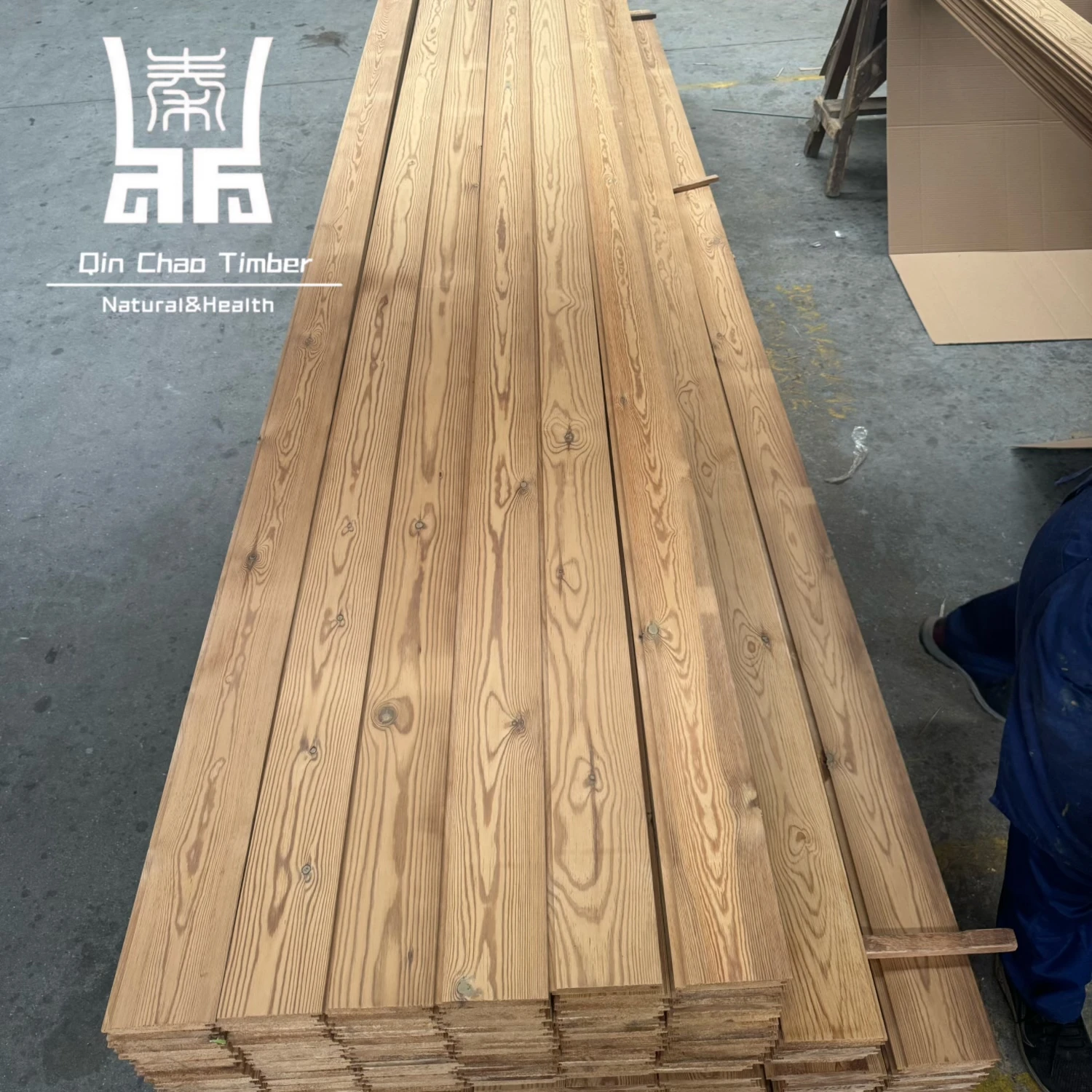
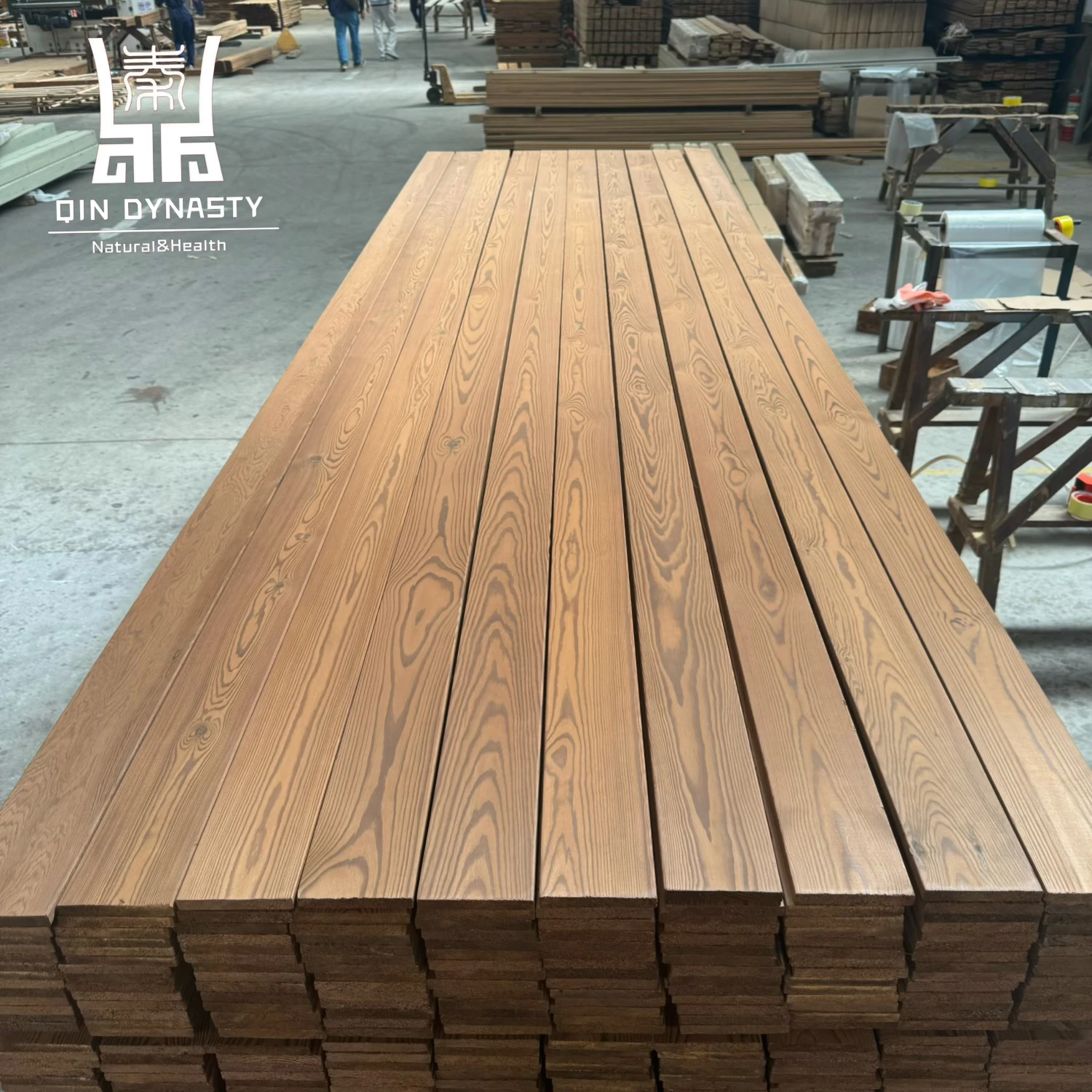
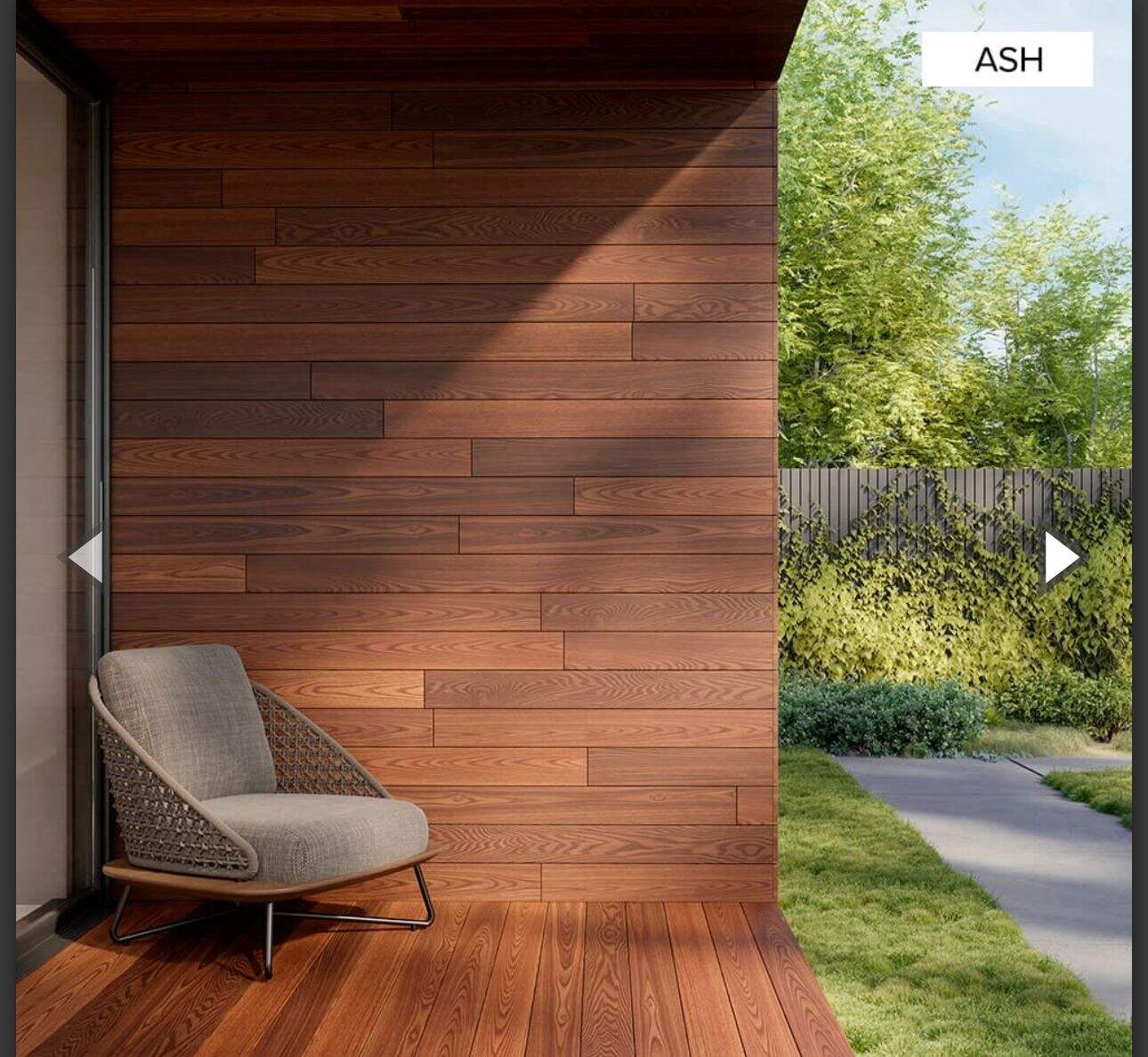
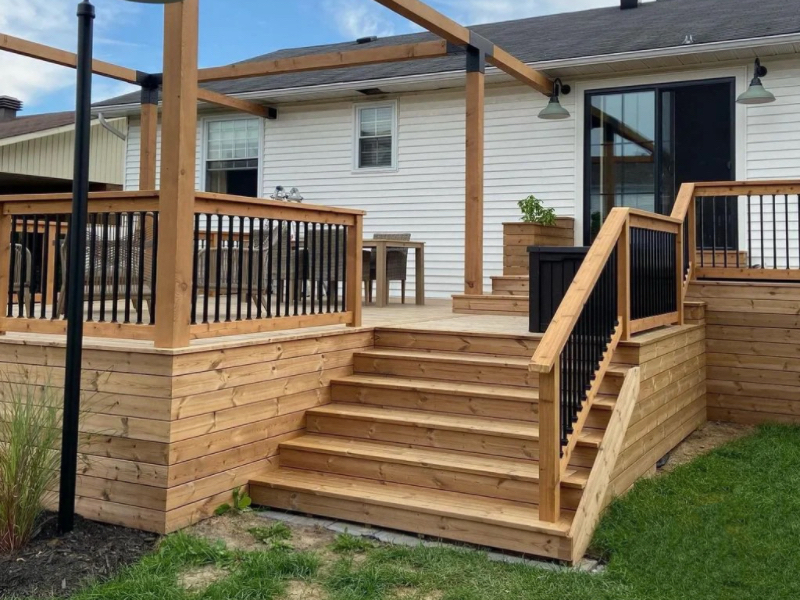
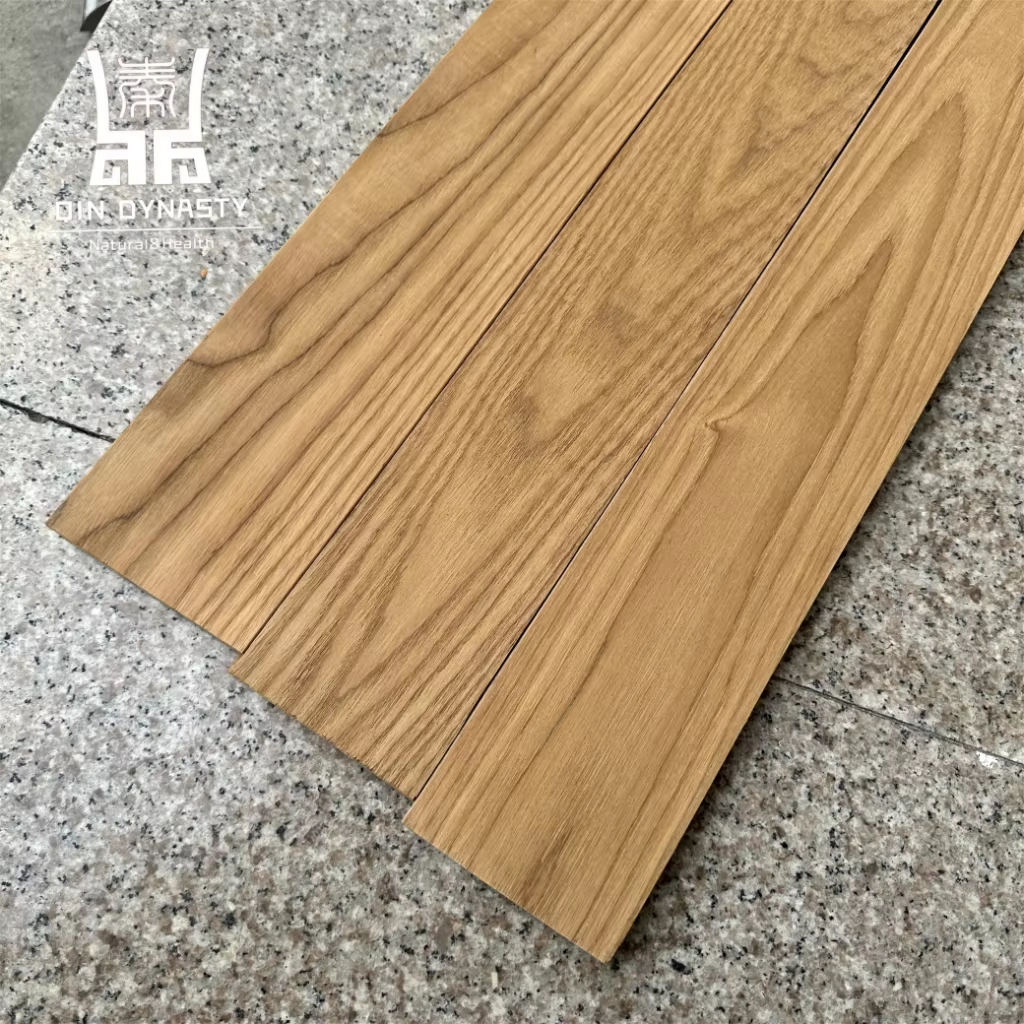
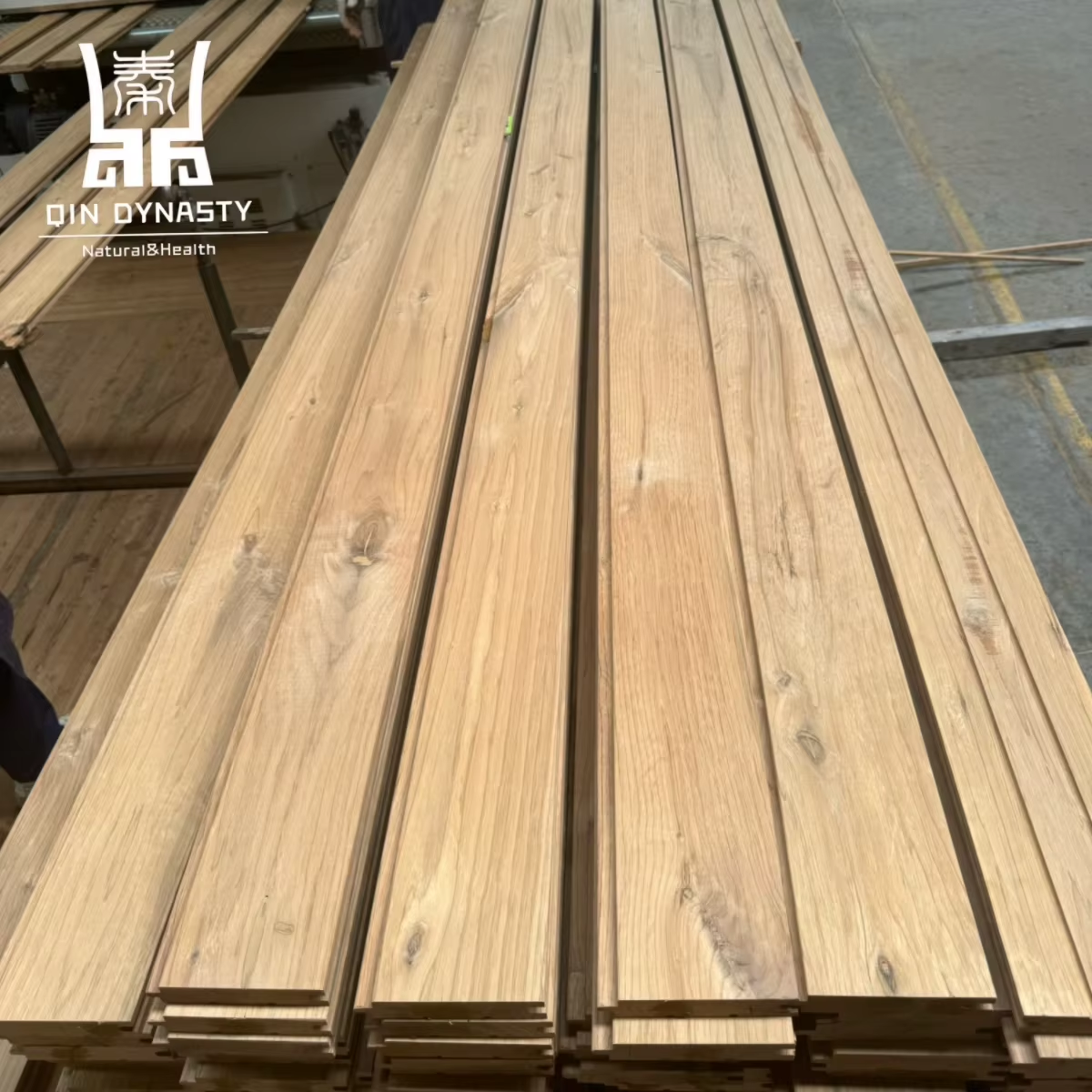
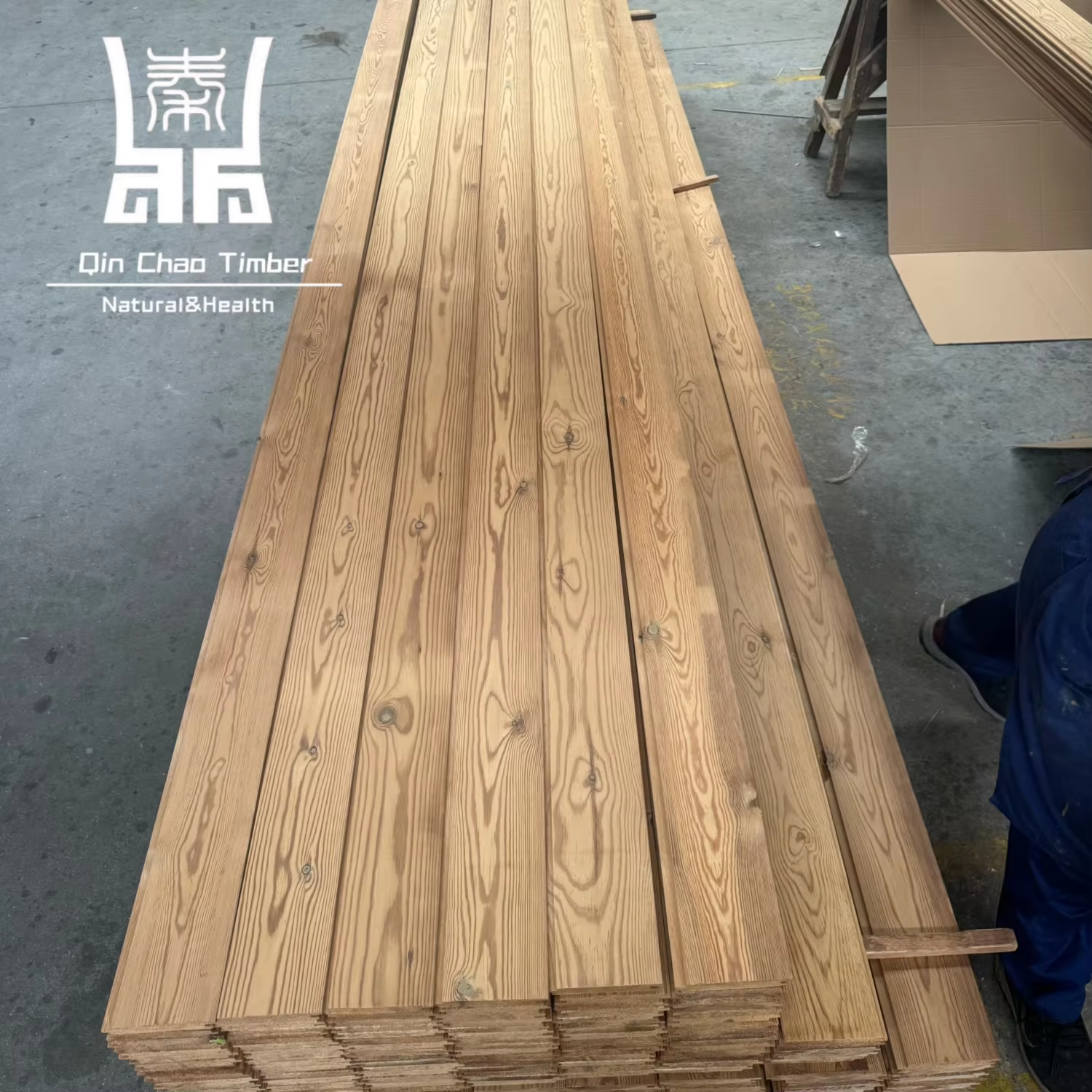
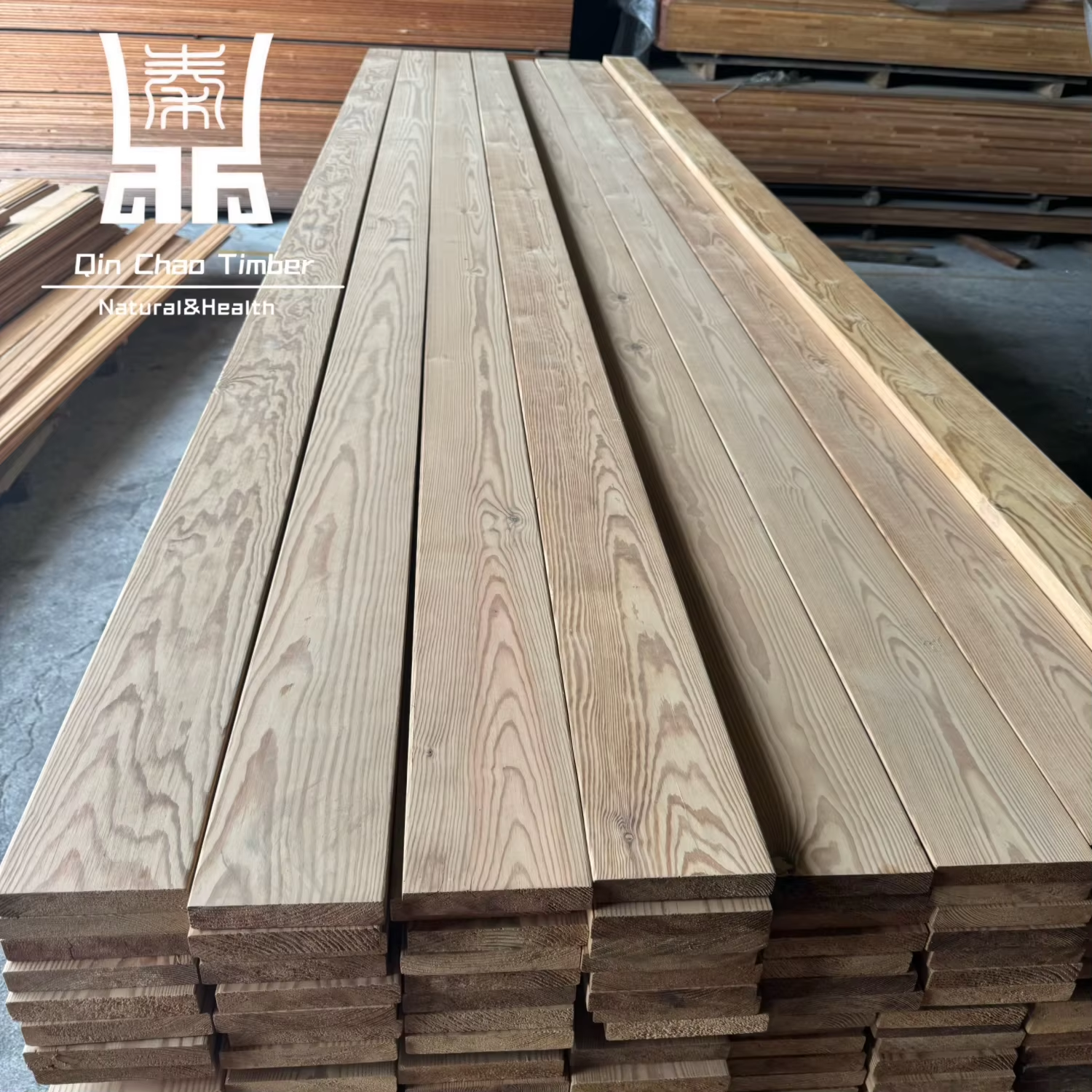
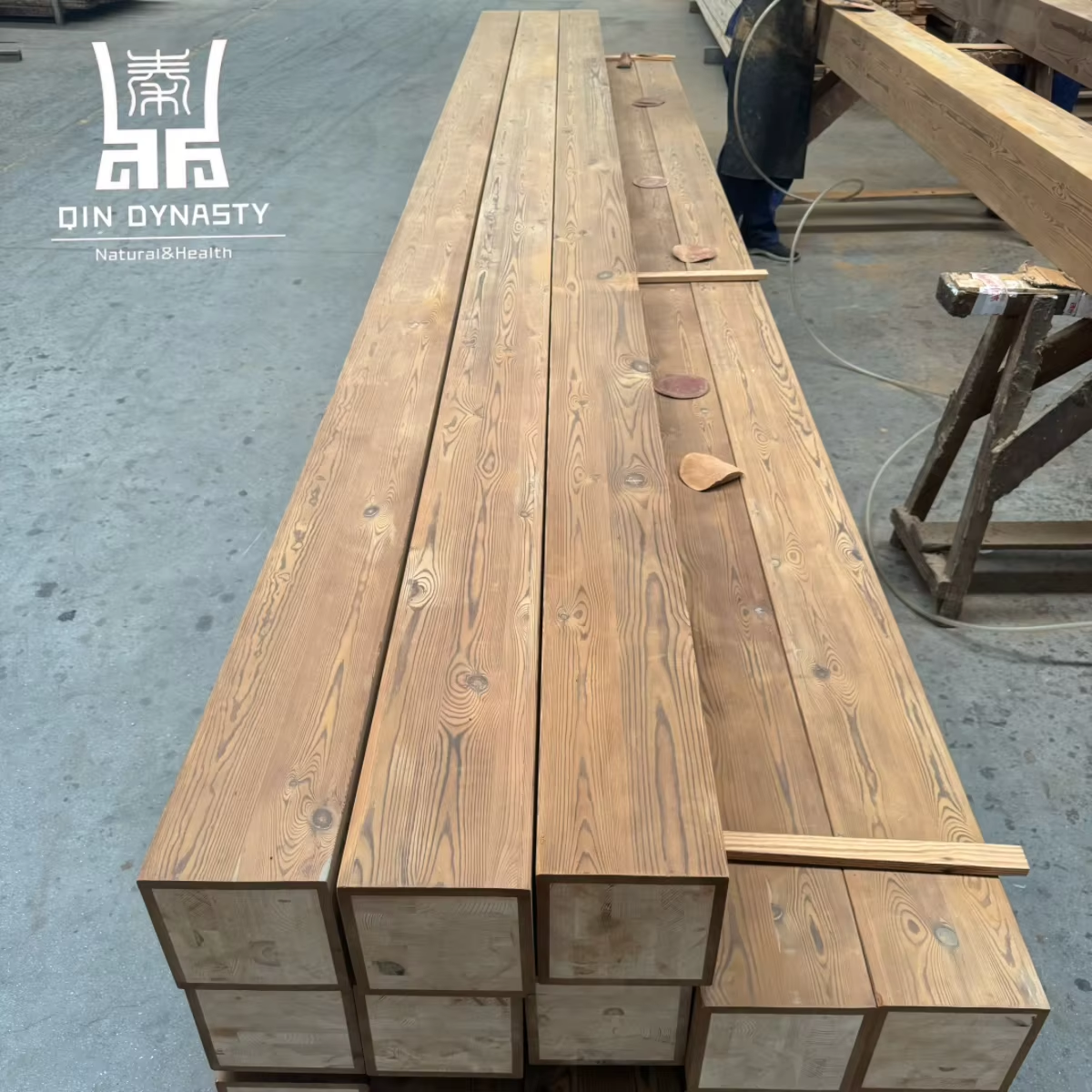
Pine board, particularly when enhanced through the Thermowood thermal modification process, offers a robust and sustainable solution for modern construction and design needs. The Thermowood method involves heating pine wood to elevated temperatures, typically between 180°C and 230°C, in a controlled, oxygen limited environment. This process permanently alters the wood's chemical structure by reducing hemicellulose content and minimizing hygroscopicity, resulting in significantly improved dimensional stability and resistance to moisture, decay, and insect infestation. Unlike untreated pine, which is prone to warping and biological degradation, Thermowood pine boards maintain their integrity in varying humidity conditions, making them suitable for diverse applications. For interior use, such as flooring, wall paneling, or custom furniture, these boards provide a warm, natural aesthetic with enhanced durability against daily wear and tear. In exterior settings, including decking, cladding, or outdoor furniture, they excel due to their ability to withstand UV exposure, rain, and temperature fluctuations without requiring chemical treatments. A practical case study involves the integration of Thermowood pine boards in a coastal residential project, where they were used for balcony decking. Over two years, the boards demonstrated minimal expansion and no signs of rot, despite constant exposure to saltwater air and high humidity. Additionally, the thermal modification process imparts a rich, uniform color that deepens over time, reducing the need for stains or finishes. Environmental benefits are notable, as the process uses only heat and steam, avoiding harmful chemicals, and the wood is often sourced from sustainably managed forests. For architects and builders, Thermowood pine boards represent a versatile, eco friendly option that meets rigorous performance standards. We invite you to contact our team for detailed technical specifications, project guidance, or customized solutions tailored to your requirements.
 EN
EN

 AANVRAAG VOOR EEN OFFERTE
  Producten